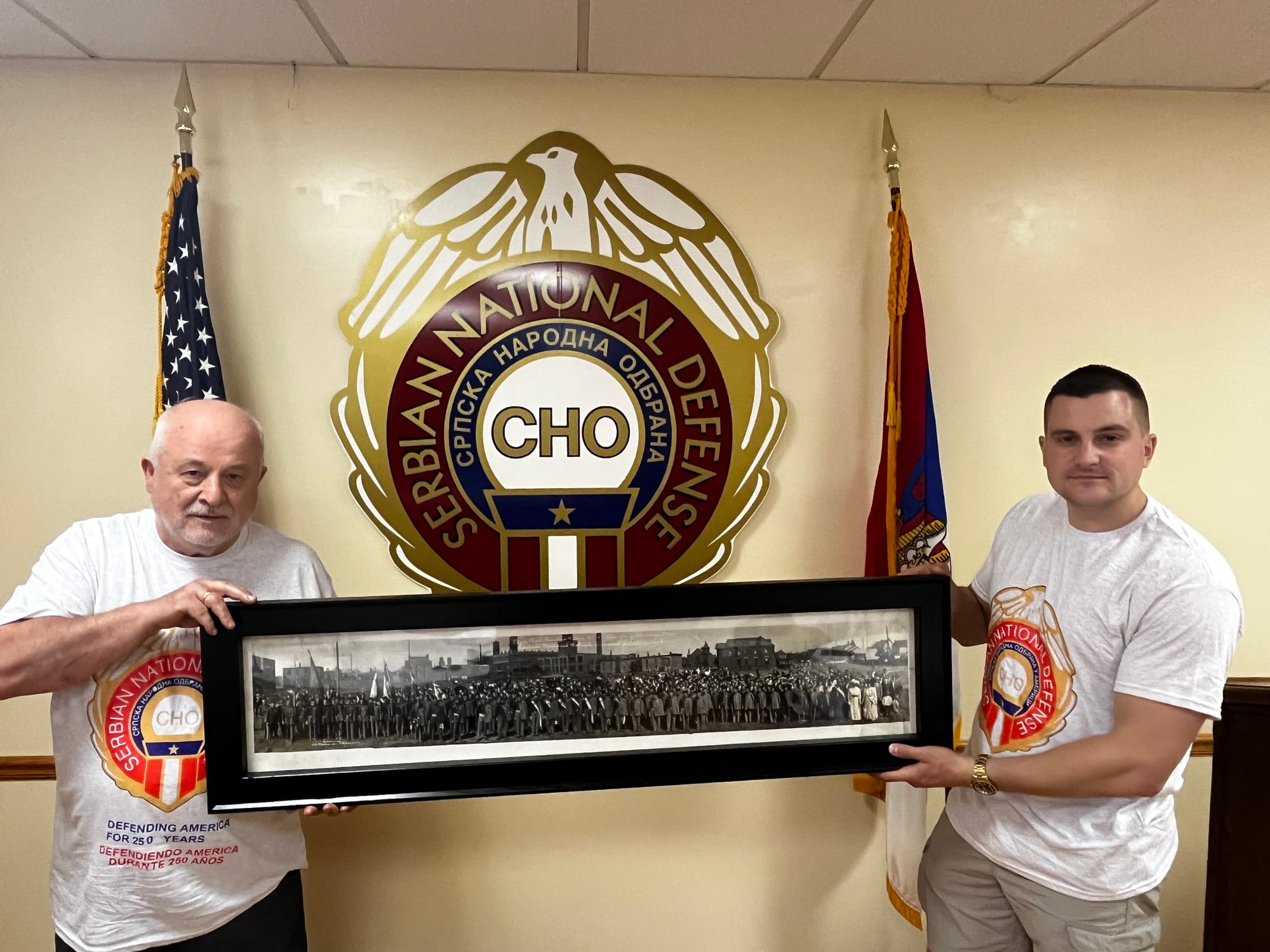
Guardians of Serbian Memory Far from the Homeland
Researcher and publicist Dr. Željko Dragić is in the United States, continuing his mission of preserving the memory of the Yugoslav royal officers who perished in German camps during the Second World War. In Chicago he visited the Serbian National Defense Council of America, founded in 1914 on the initiative of Mihajlo Pupin, and spoke with its members Milan Stanojević and Slaviša Stepanović — an encounter with a piece of Serbian history that has been carefully preserved far from the homeland for more than a century.
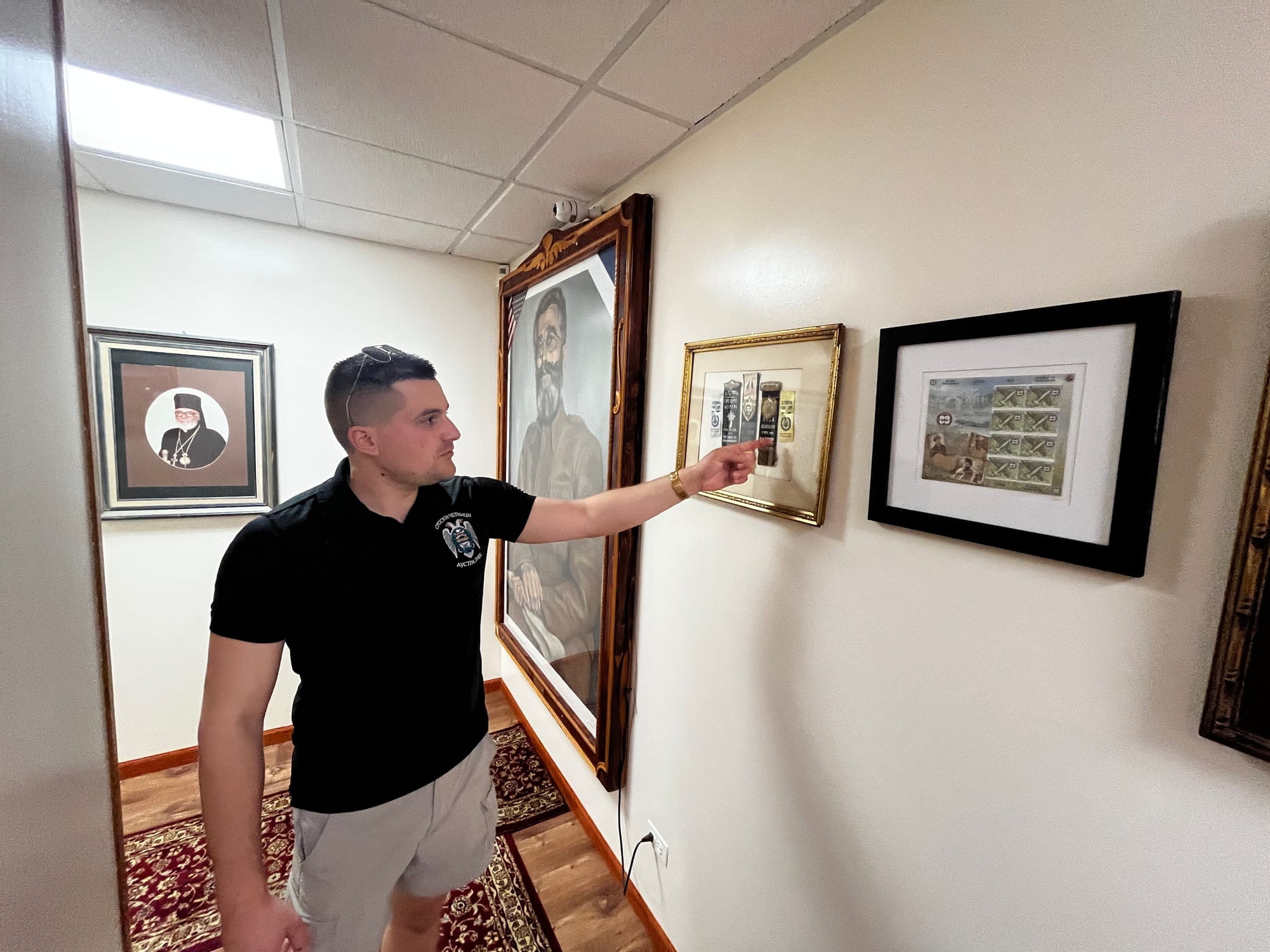
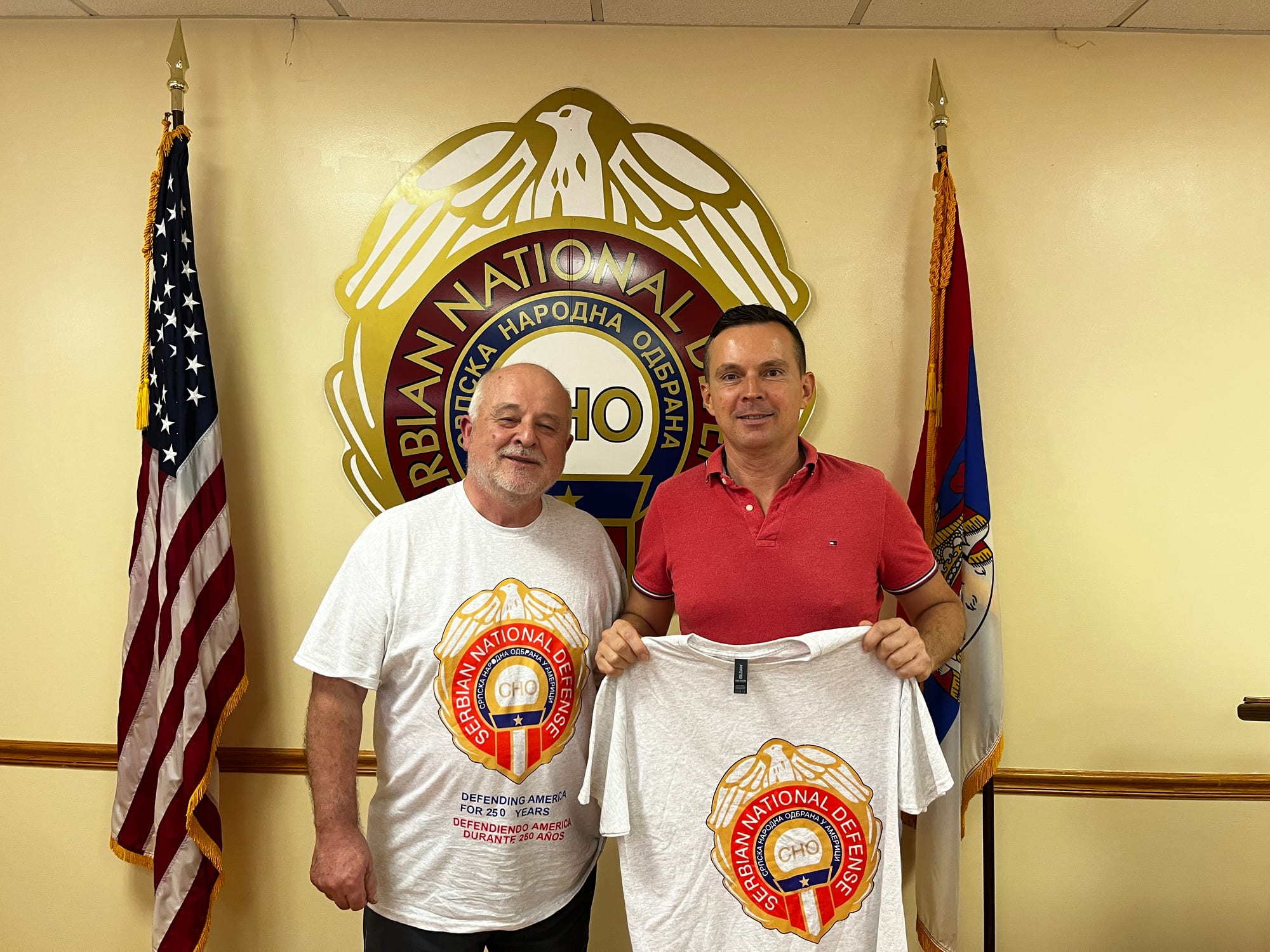
There are places that are not merely the seat of an organization, but a living testimony to the history of a people. That is precisely the impression left by the rooms of the Serbian National Defense Council of America in Chicago. Whoever crosses their threshold feels they have entered not just the office of an association, but a treasury of Serbian history, memory and national identity. As part of his years-long research into the fate of the Serbian royal officers — above all their suffering in and life after the German camp Oflag VI C in Osnabrück — Dr. Željko Dragić visited the Serbian National Defense and spoke with two of its members, Milan Stanojević and Slaviša Stepanović. The conversation grew into much more than an interview: it became an encounter with a part of Serbian history that has been carefully guarded far from the homeland for over a century.
The Serbian National Defense Council was founded in 1914 in Chicago, at a time when Serbia was fighting its hardest battles of the First World War. On the initiative of the great Serbian scientist Mihajlo Pupin, and with the support of numerous distinguished Serbs in America — among them Nikola Tesla — an organization was created whose task was to help Serbia, gather Serbian emigrants and preserve the national spirit far from the homeland. Over more than a century of existence it became one of the most important pillars of the Serbian community in America: it helped Serbia in the most difficult times, organized volunteers, nurtured Serbian culture and tradition, and for many generations of emigrants it was a second home.
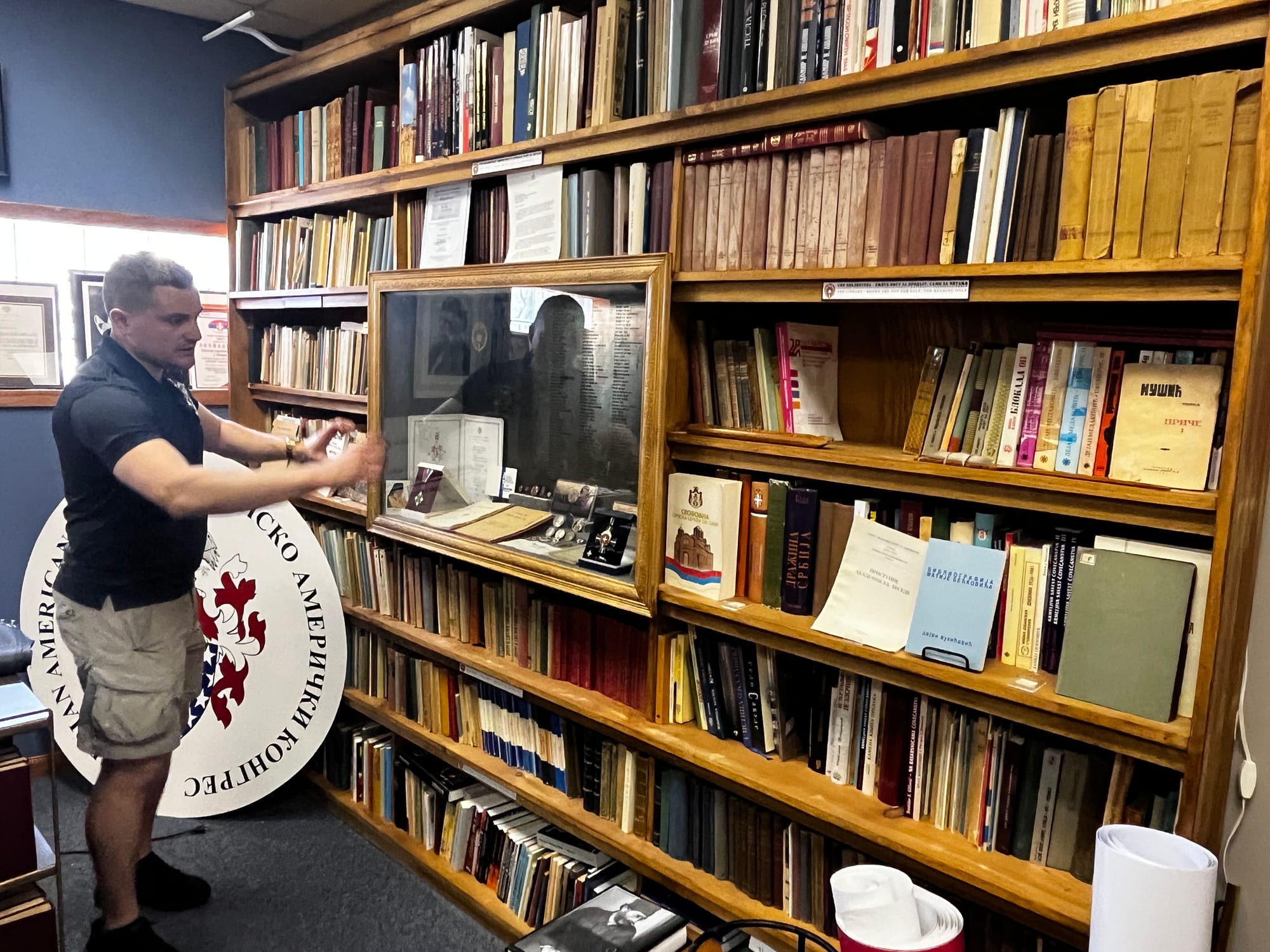
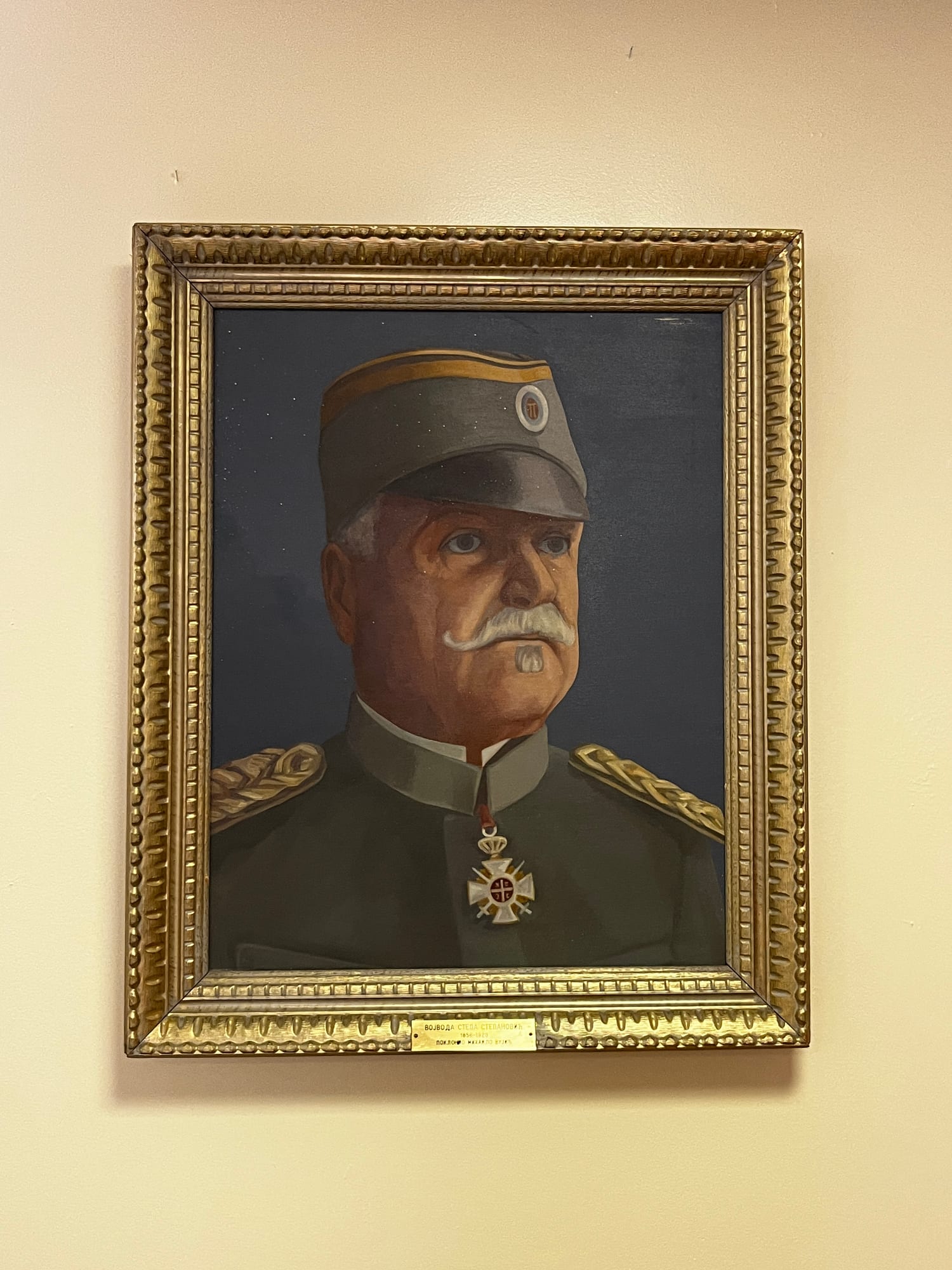
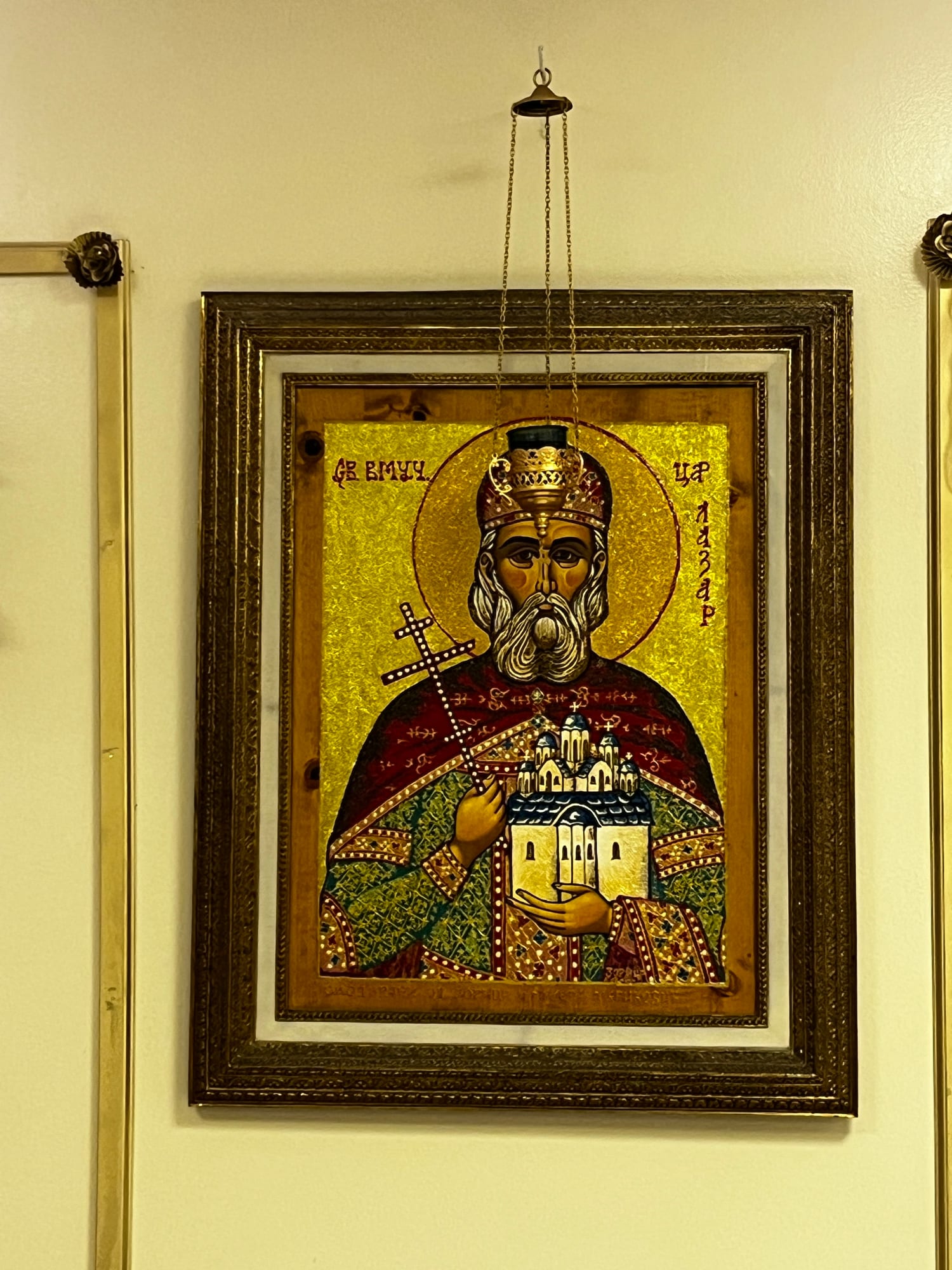
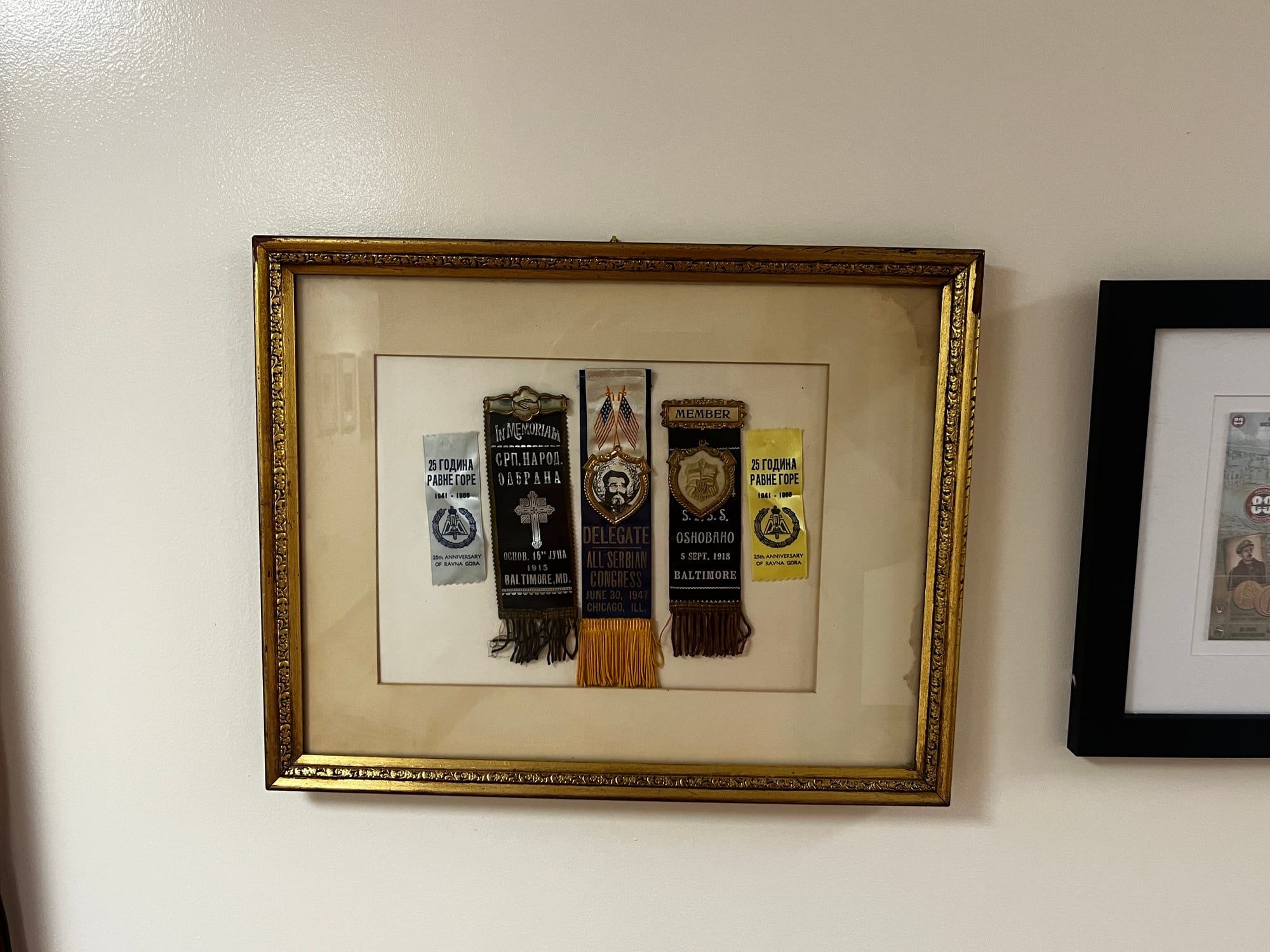
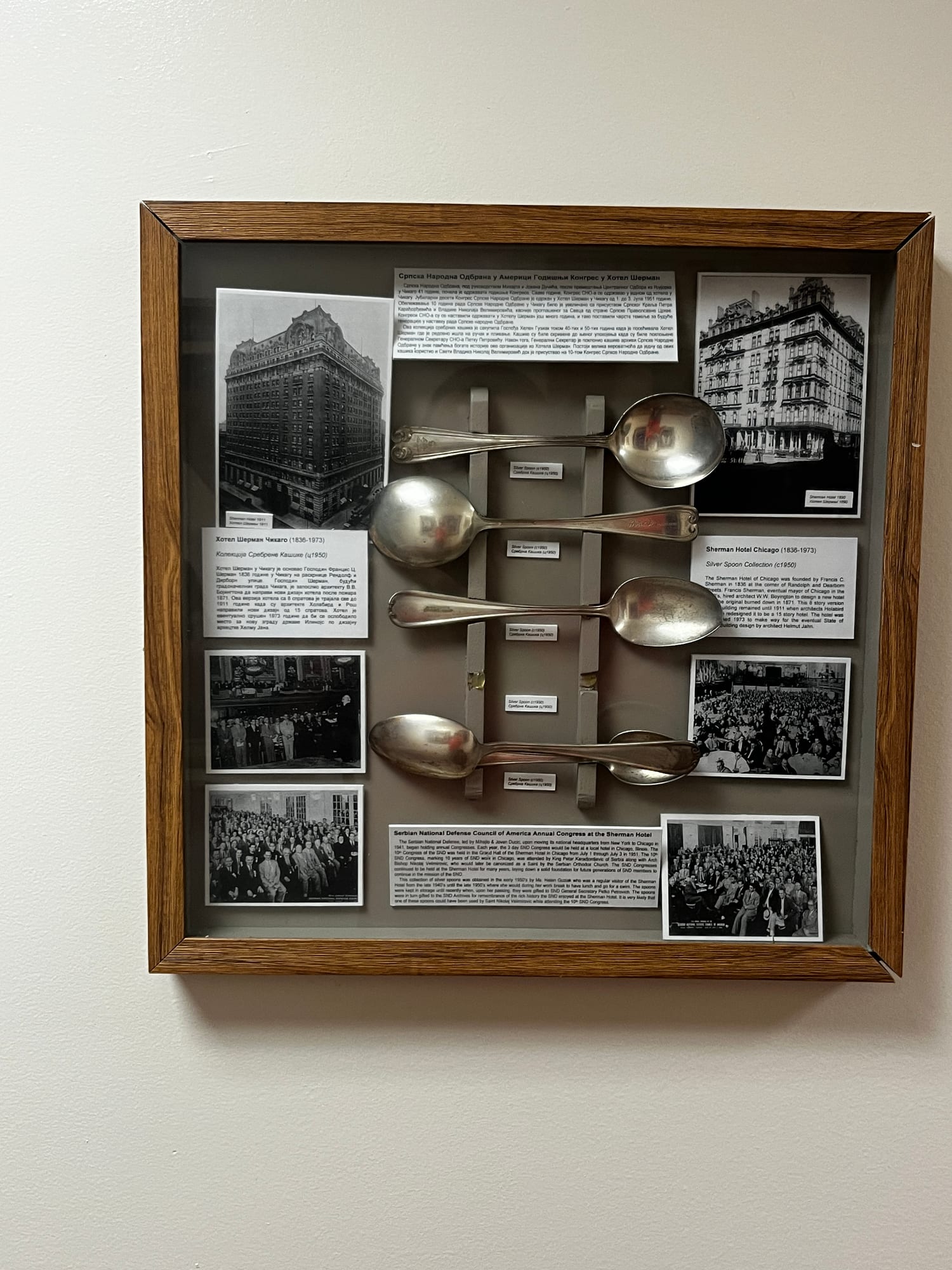
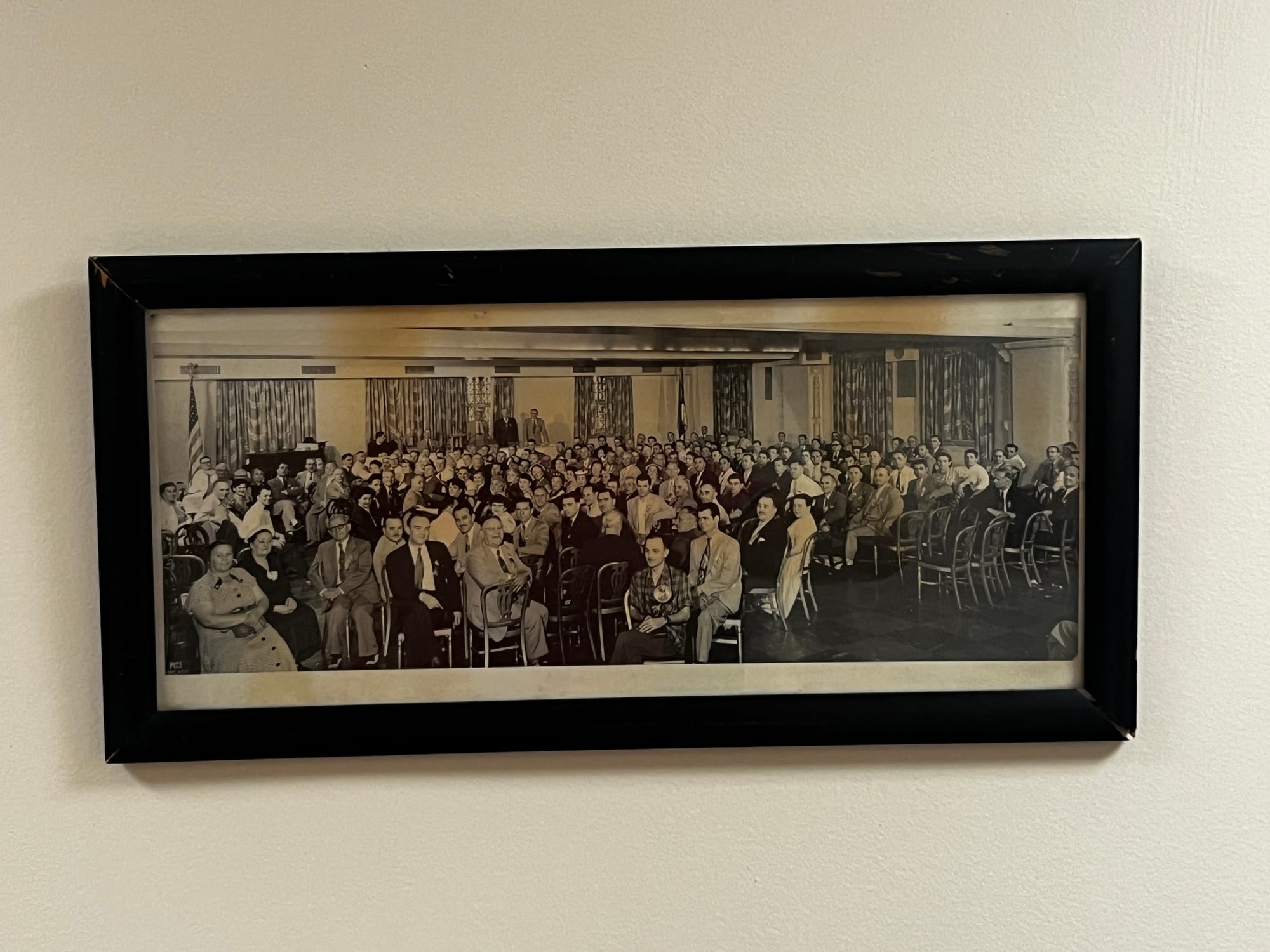
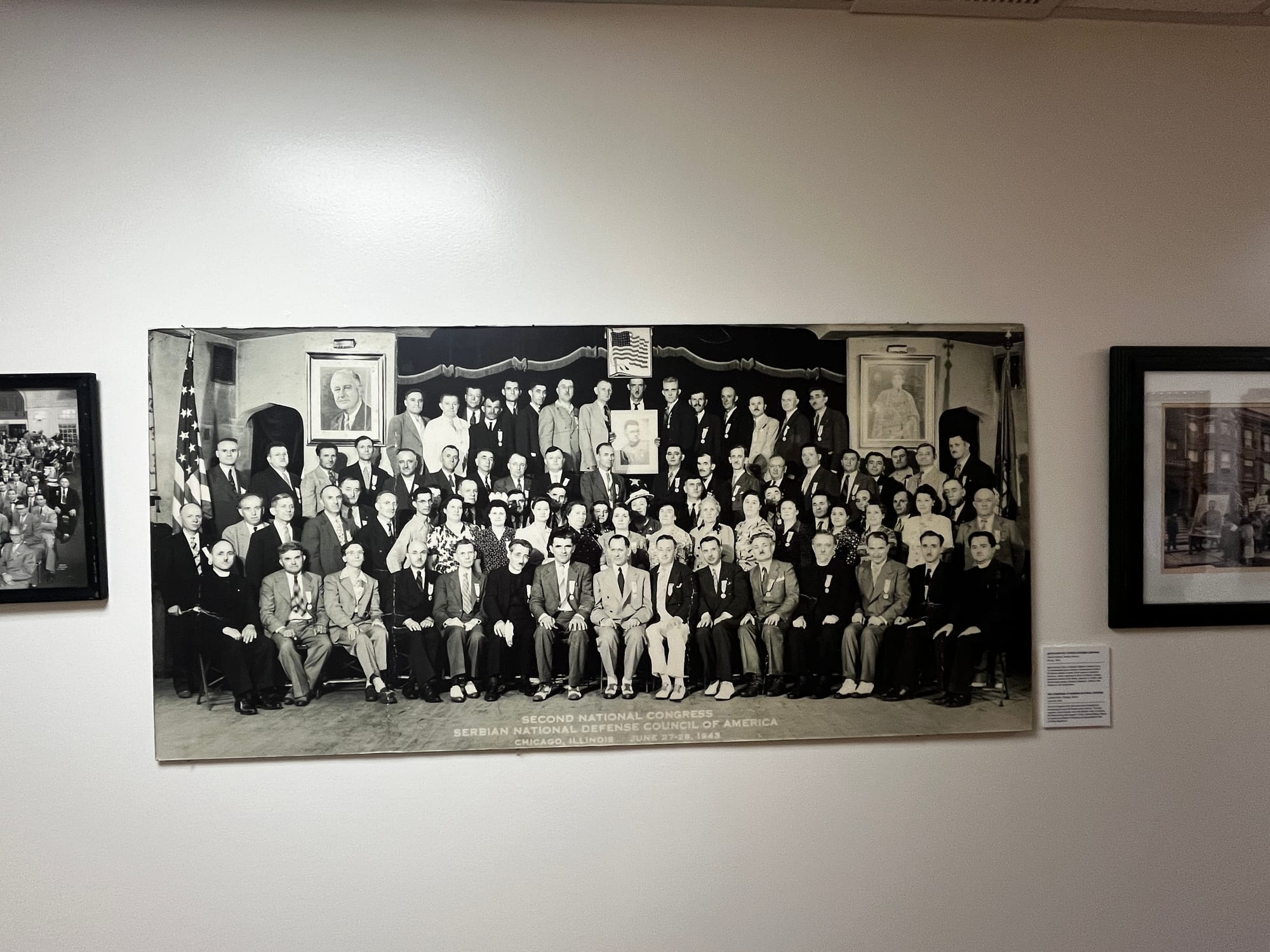
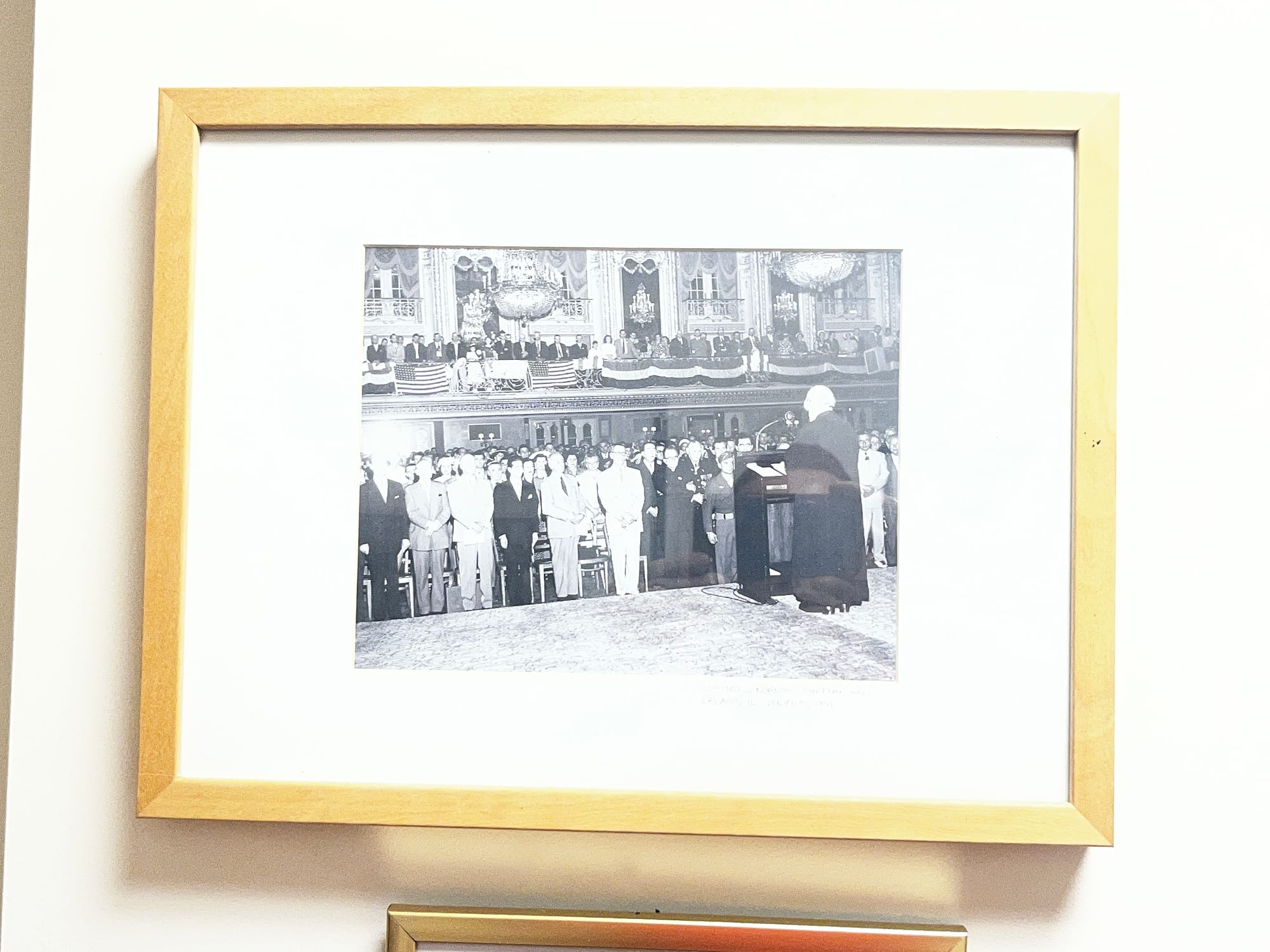
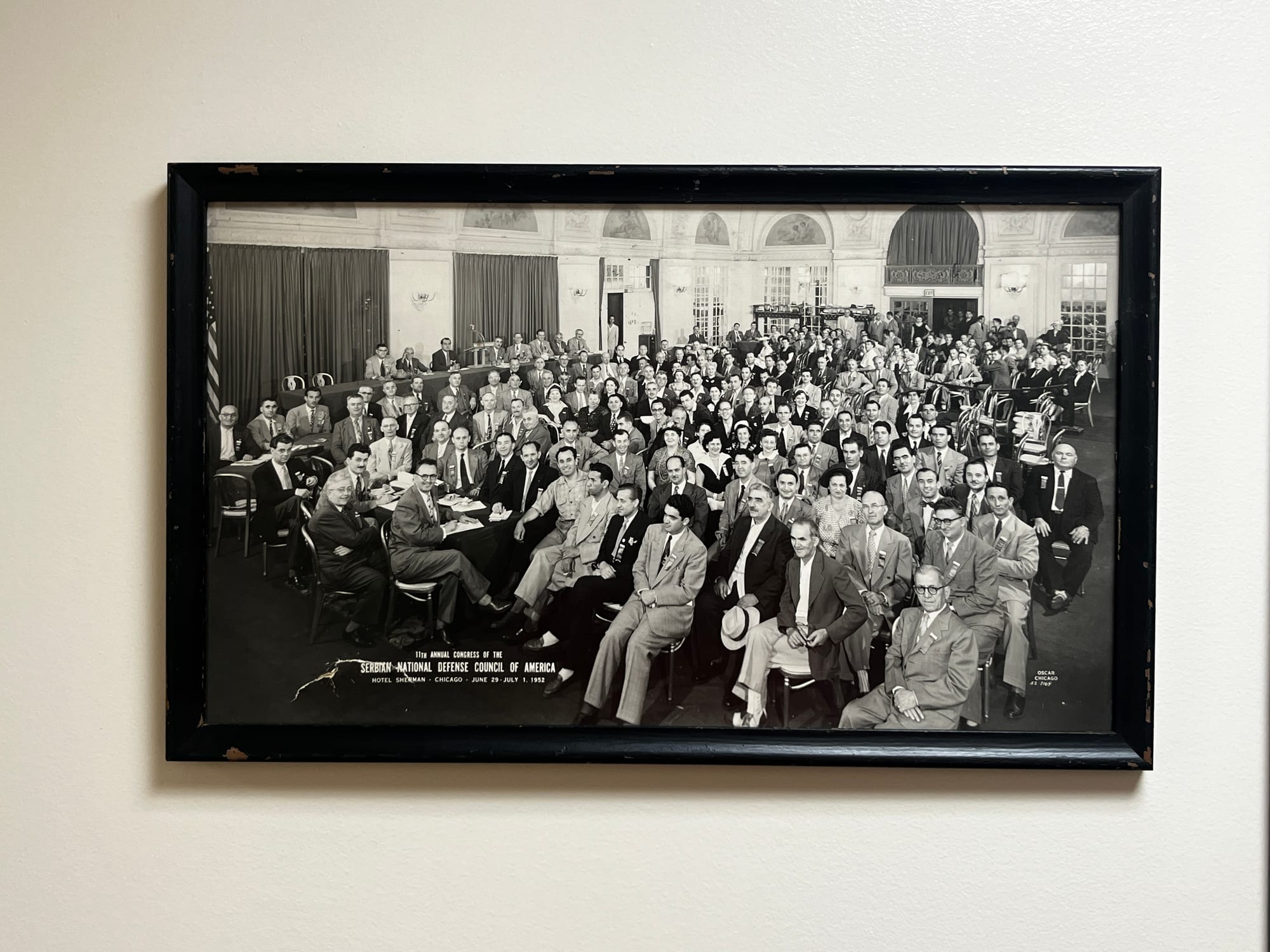
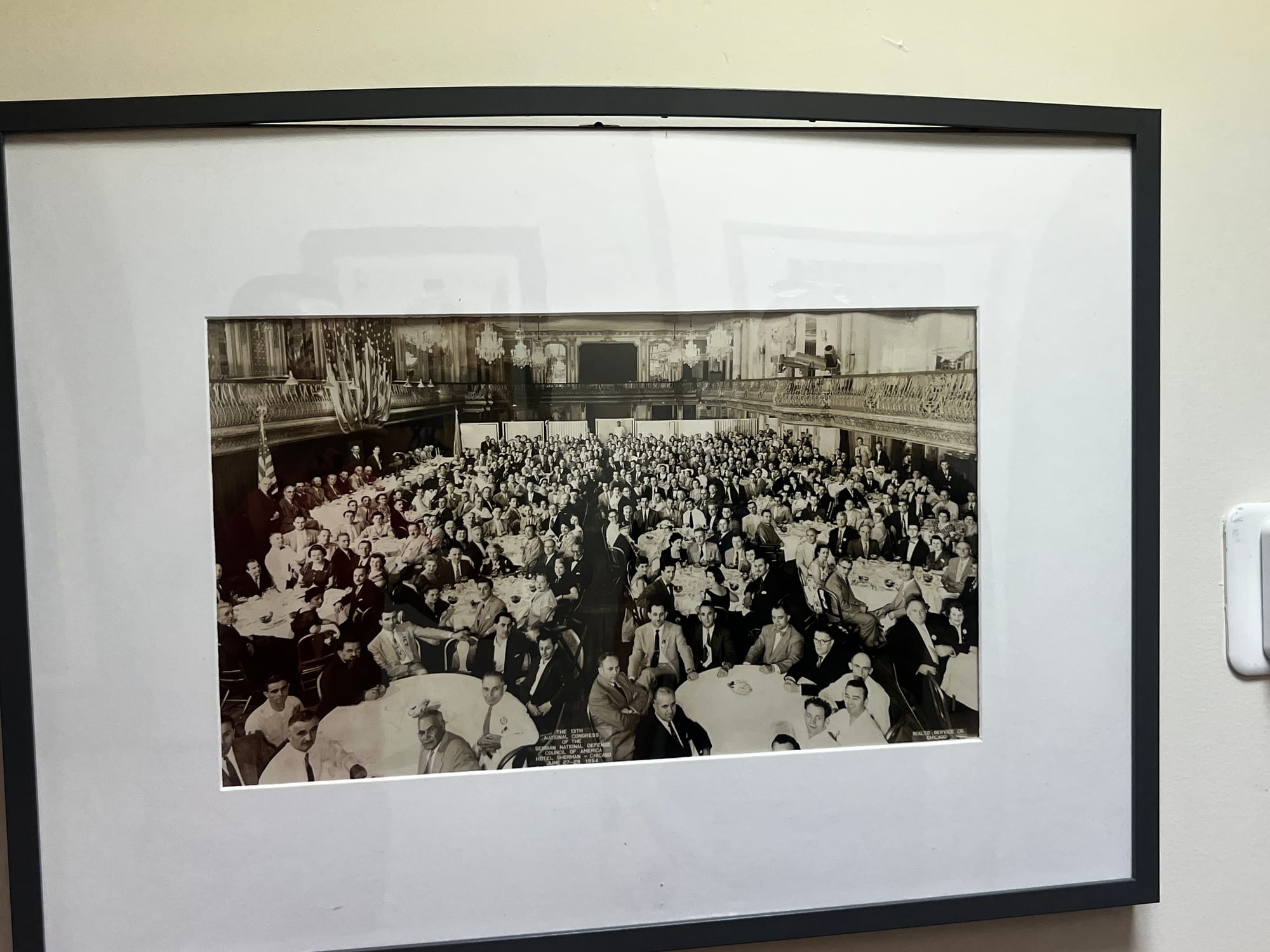
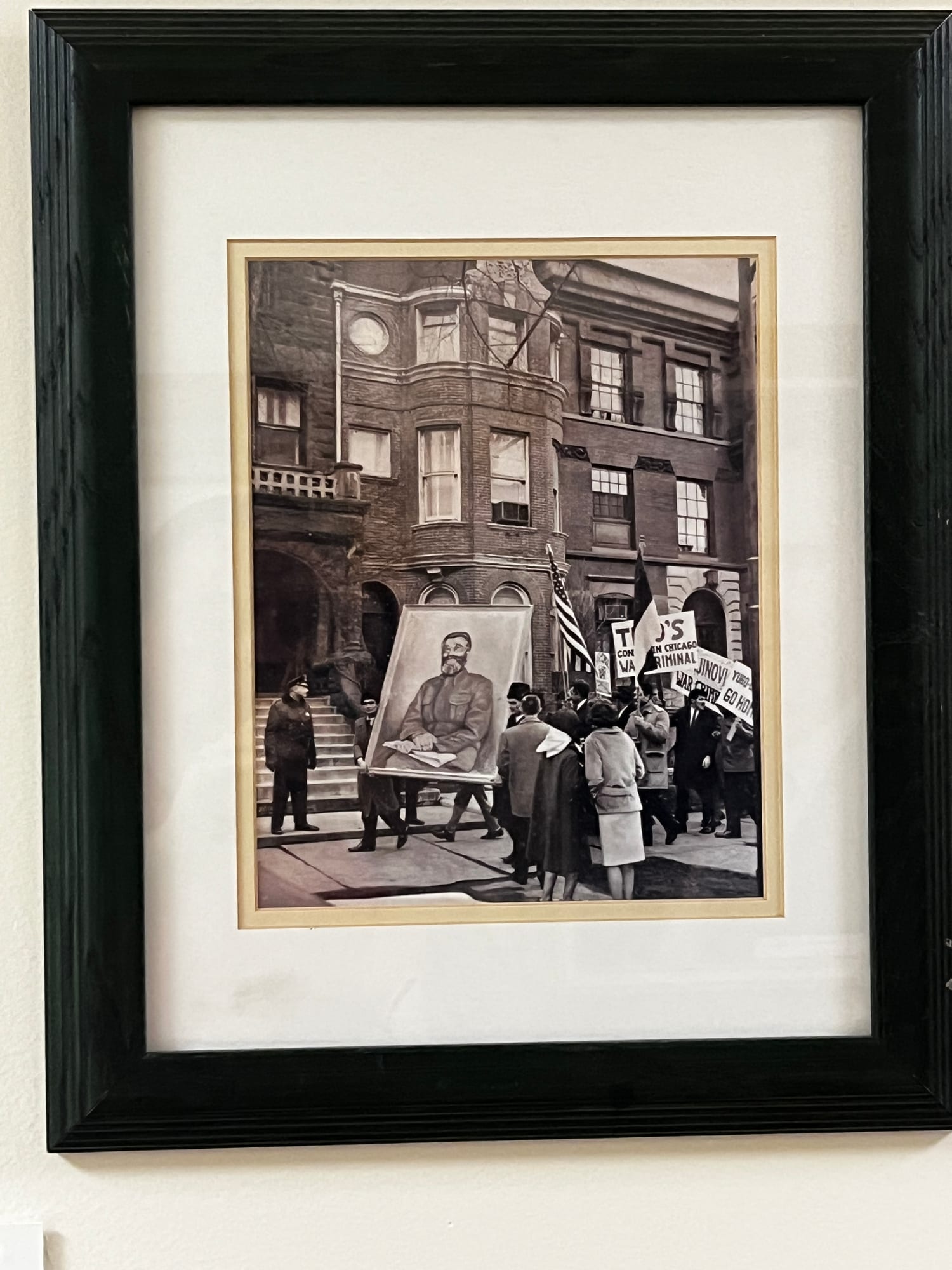
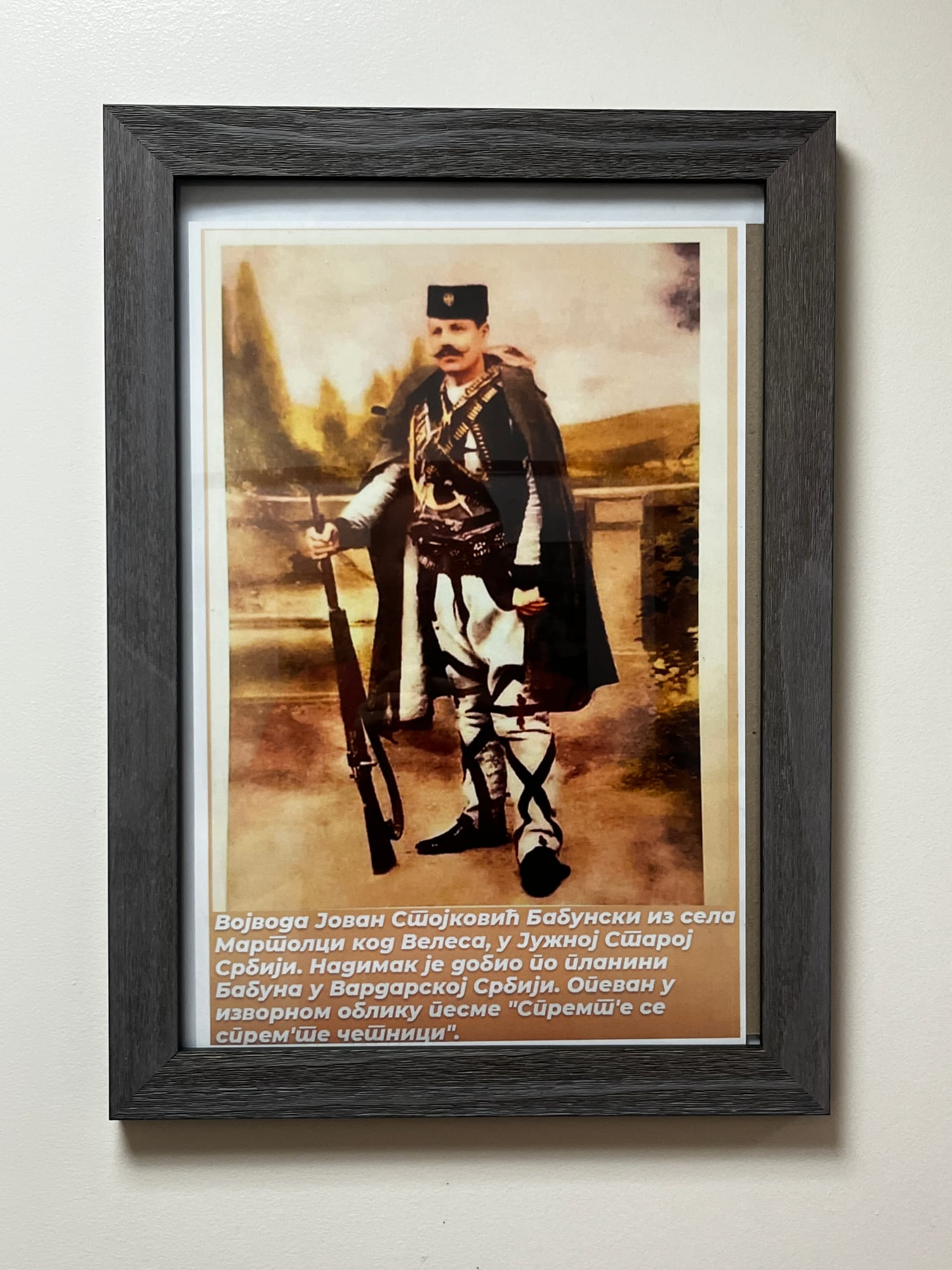
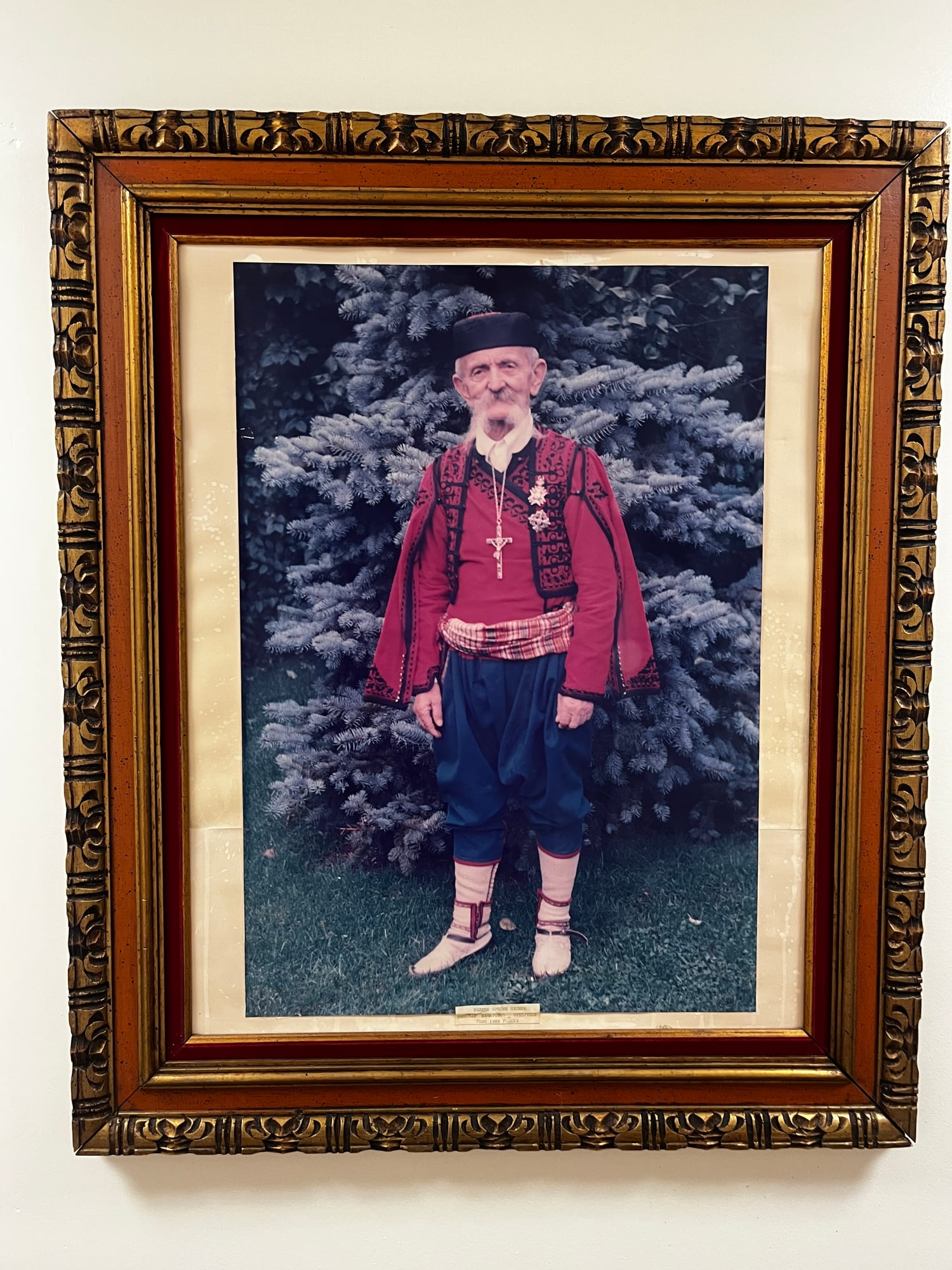
What especially delights every visitor is the rich archival collection the organization preserves. On the walls hang photographs of its founders, among them Mihajlo Pupin and Nikola Tesla, numerous historical photographs of the Serbian emigration, original documents, flags, old membership books, awards, decorations and publications testifying to more than a century of work. Special attention is drawn to the photographs and documents dedicated to General Dragoljub Draža Mihailović, as well as the rich collection of the magazine “Sloboda” (“Liberty”), for decades one of the most important voices of the Serbian diaspora in America. One could spend days, even a whole month, in these rooms looking through photographs and reading old newspapers and documents — every photograph is a piece of history saved by people who understood how important it is to remember.
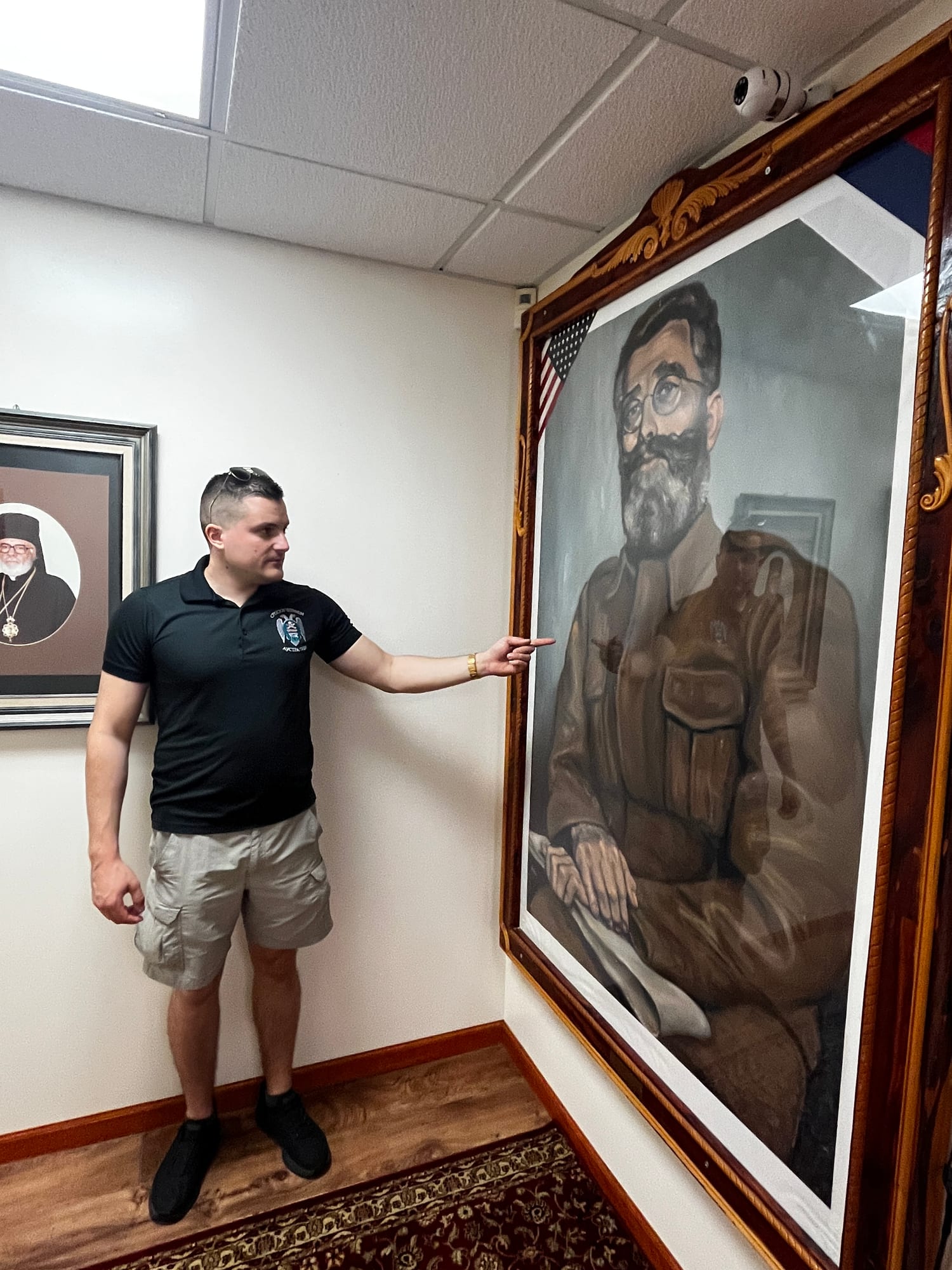
One of the youngest active members of the Serbian National Defense is Milan Stanojević, born on 8 August 1997 in Šabac and raised in Bogatić, in the heart of the Mačva region. Though not a historian by profession, history is his great love: as a boy he listened to his grandparents’ stories of the Second World War, which awakened in him the desire to research the fates of people from his region. In 2018, as a student pilot, he spent time in Washington on a student exchange, working with the American Red Cross. Today he takes an active part in the work of the Serbian National Defense, striving to bring history closer to younger generations. He researches the fates of Serbian emigrants and is working on the book “The People of Mačva Far from the Homeland”, which will record the life stories of many people from Mačva who continued their lives all over the world after the Second World War.
Slaviša Stepanović was born on 13 May 1955 in Reljovica near Požarevac. He came to America as a twelve-year-old and has been a member of the Serbian National Defense since 1980; today he serves as the organization’s accountant. During the conversation he shared a family story deeply tied to the history of the Second World War: his grandfather Borislav Stepanović was held in a German prisoner-of-war camp and emigrated to the United States after the liberation. Such personal fates show how important the Serbian National Defense was for the generations of Serbs who began a new life far from their homeland after the war.
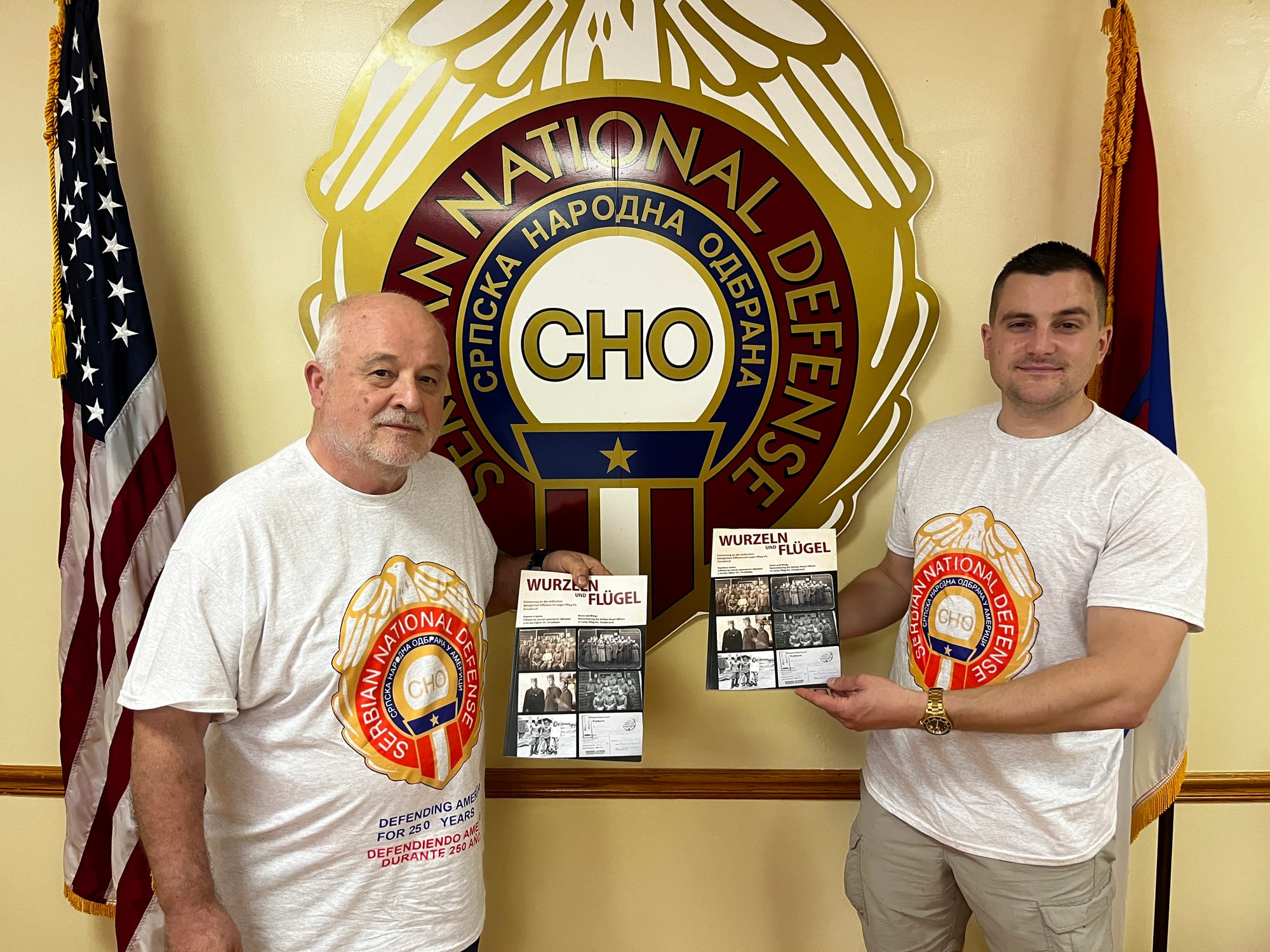
For Dr. Dragić this visit carried special significance. For almost ten years he has been researching the fate of the Serbian royal officers who were held in the German camp Oflag VI C in Osnabrück during the Second World War. In the conversations at the Serbian National Defense he received yet another confirmation that many officers who arrived in America from the German camps after 1945 became members of this very organization. That discovery is another important link in his research: it shows that the life stories of the Serbian officers did not end with the liberation from the camps. On the contrary — through the Serbian National Defense many continued their struggle, this time for the preservation of historical truth, national identity and the unity of the Serbian people in the diaspora.
Today the Serbian National Defense Council gathers around 500 active members and continues to publish its magazine “Sloboda”, which has been chronicling the life of the Serbian community in America for decades. But its greatest value lies not in the number of members — it lies in the archive patiently built by generations of Serbs: in photographs, documents, old books, letters and testimonies that without such people and such organizations might have disappeared forever. Thousands of kilometres from Serbia, in the heart of Chicago, photographs, documents, books and memories have been preserved for over a century, testifying to the suffering, struggle and survival of the Serbian people. That is why the Serbian National Defense is not merely an organization — it is the guardian of the collective memory of the Serbian people in America. As Dr. Dragić concludes: a people that preserves its memory preserves its future. Source: RTS — Dijaspora, 26 June 2026, by Dr. Željko Dragić: https://www.rts.rs/rts/dijaspora/vesti/5982202/cuvari-srpskog-pamcenja-daleko-od-otadzbine.html
#Serbian National Defense #Chicago #diaspora #Oflag VI C