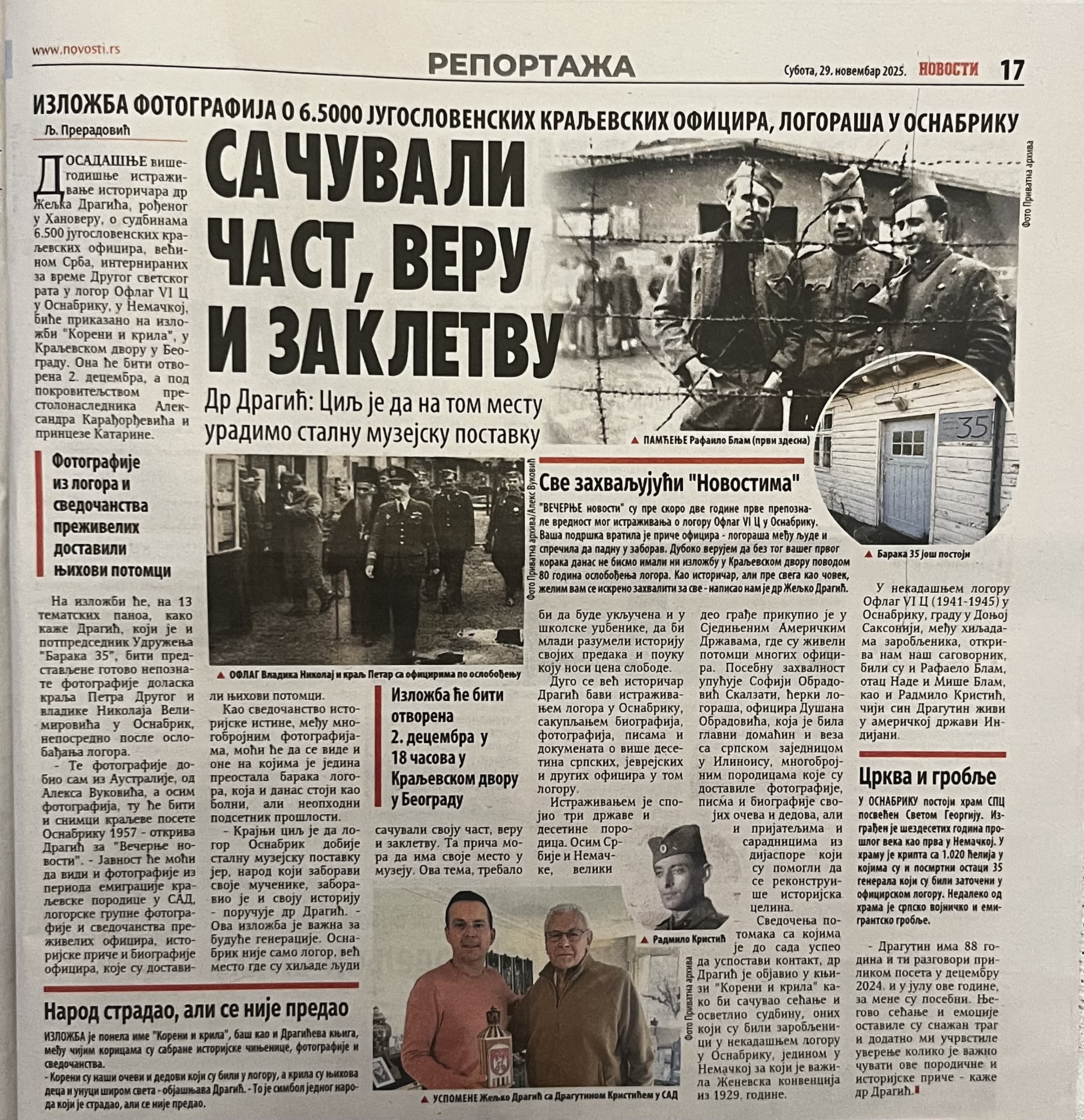
EVENING OF REMEMBRANCE AND THE ACCOMPANYING EXHIBITION “ROOTS AND WINGS” AT THE ROYAL PALACE
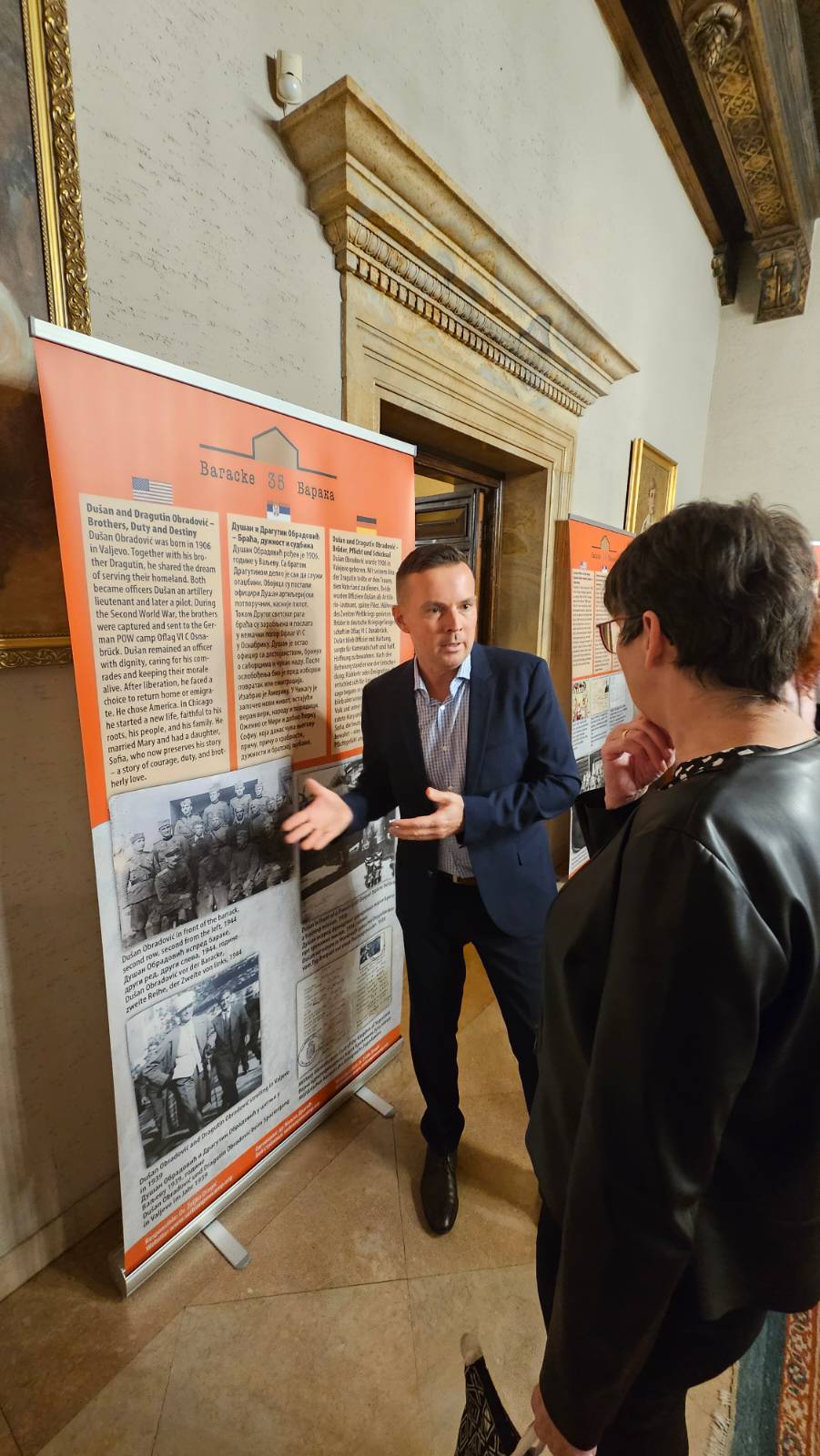
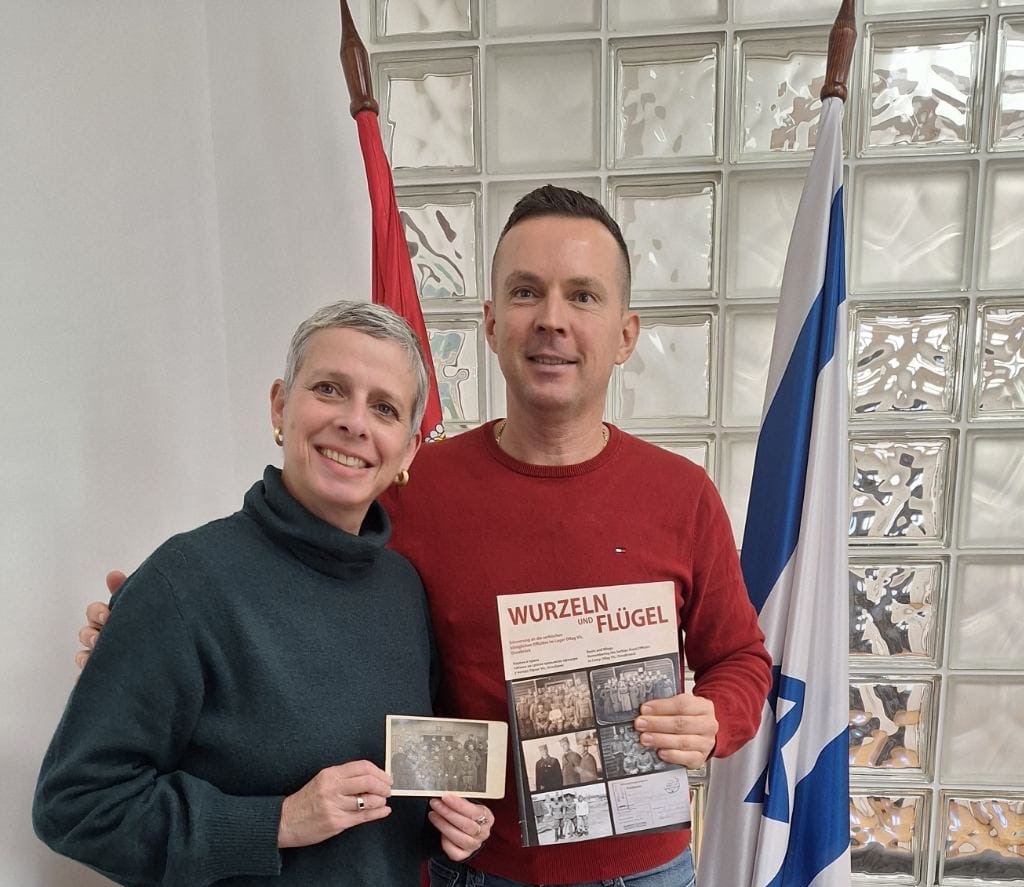
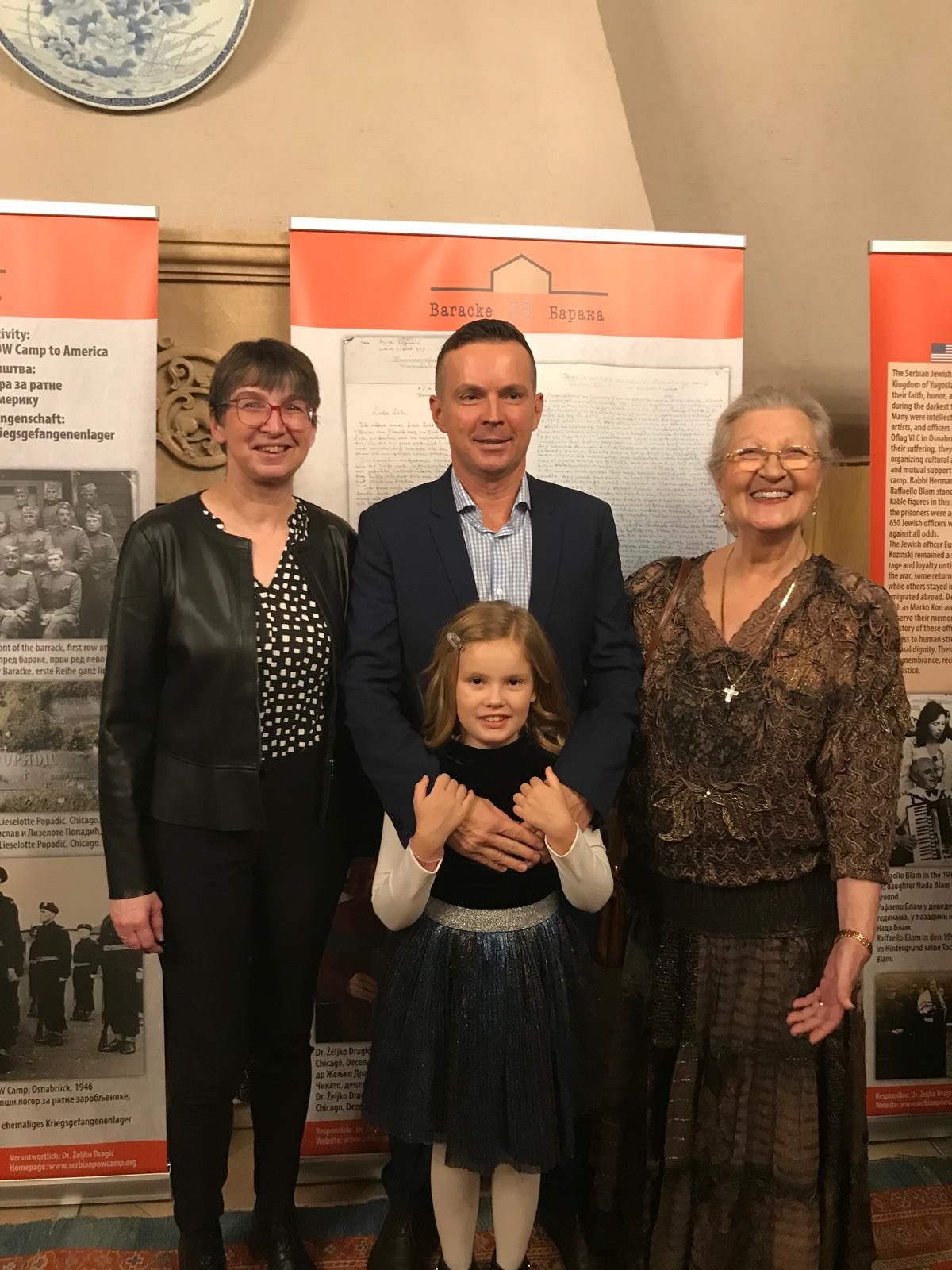
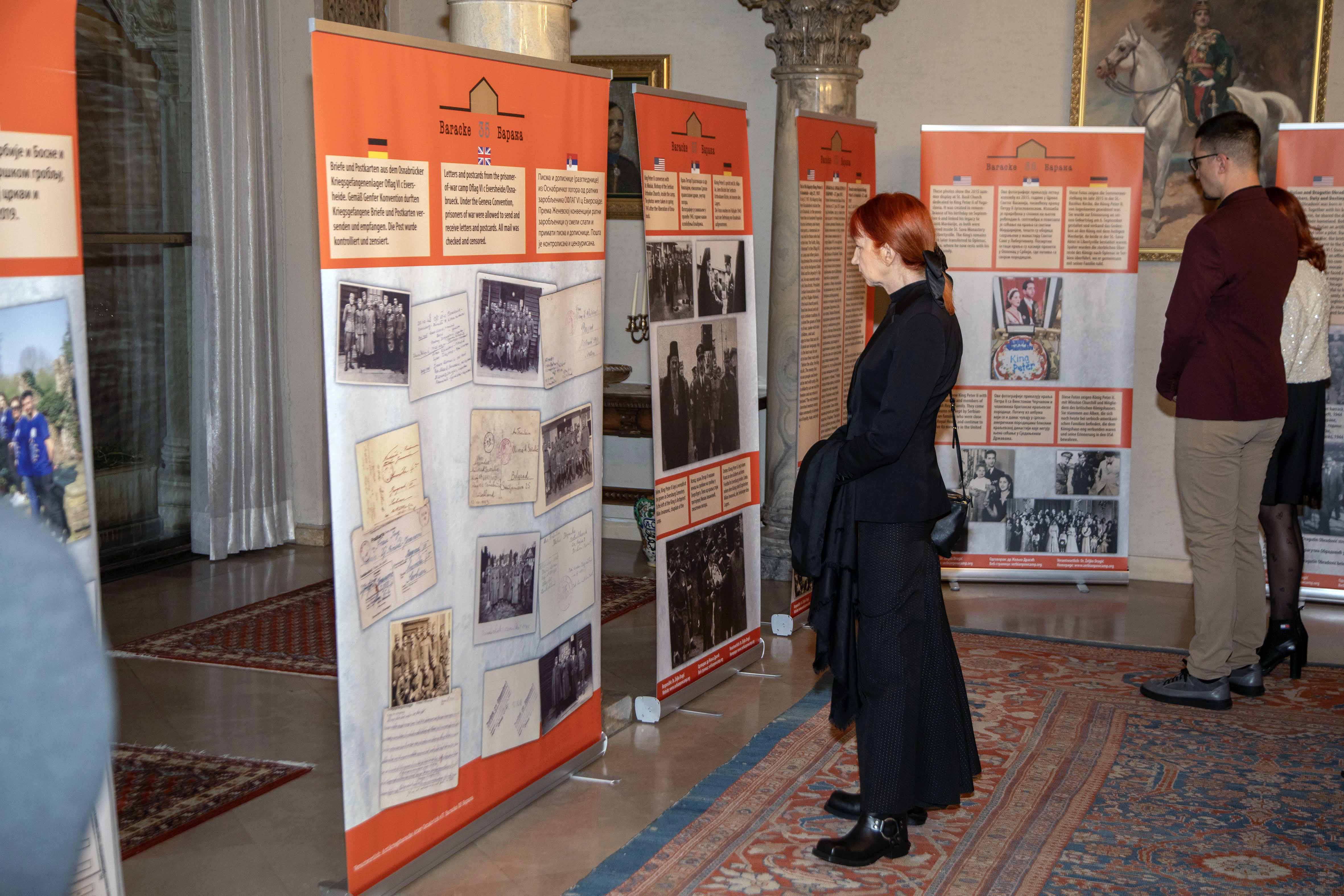
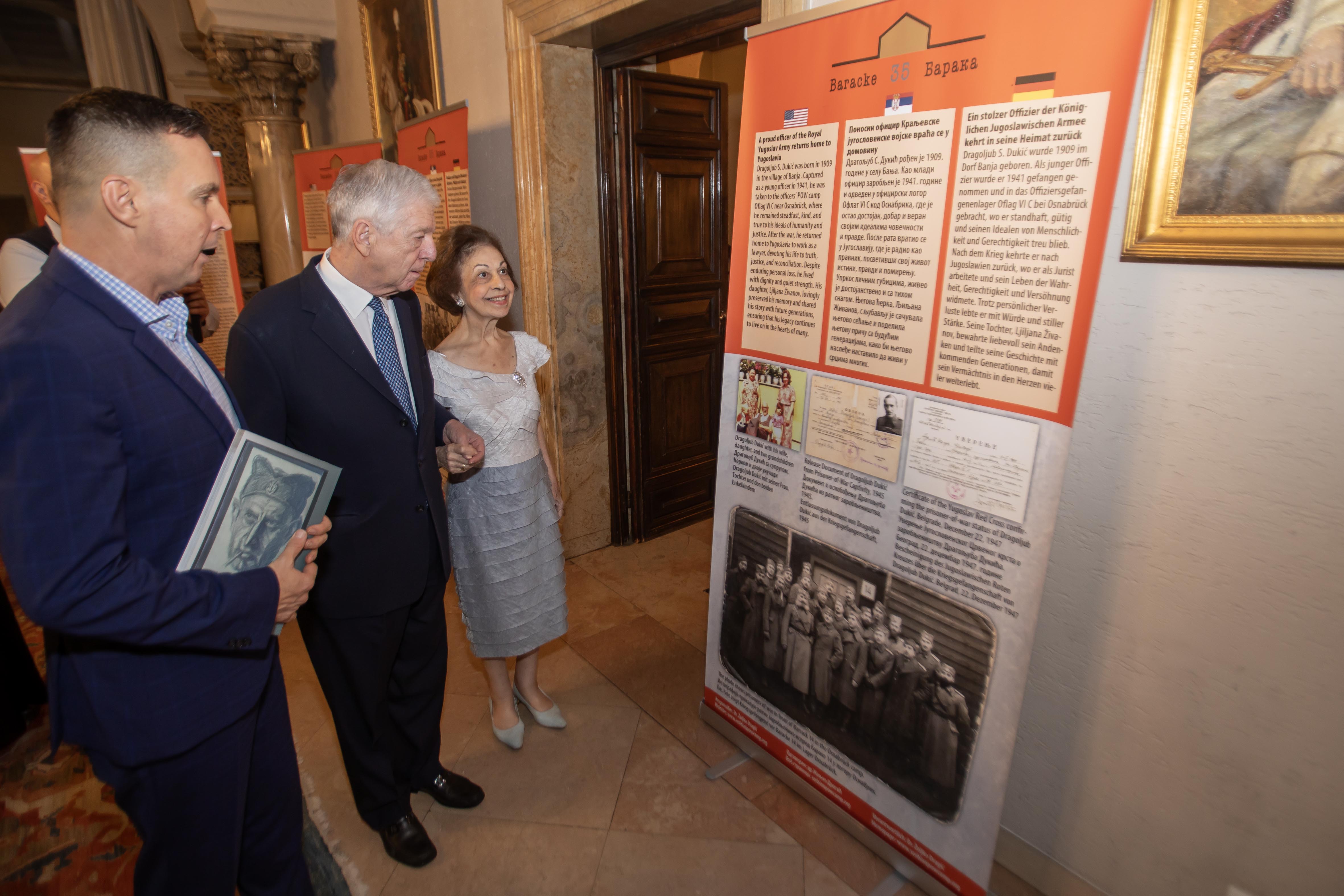
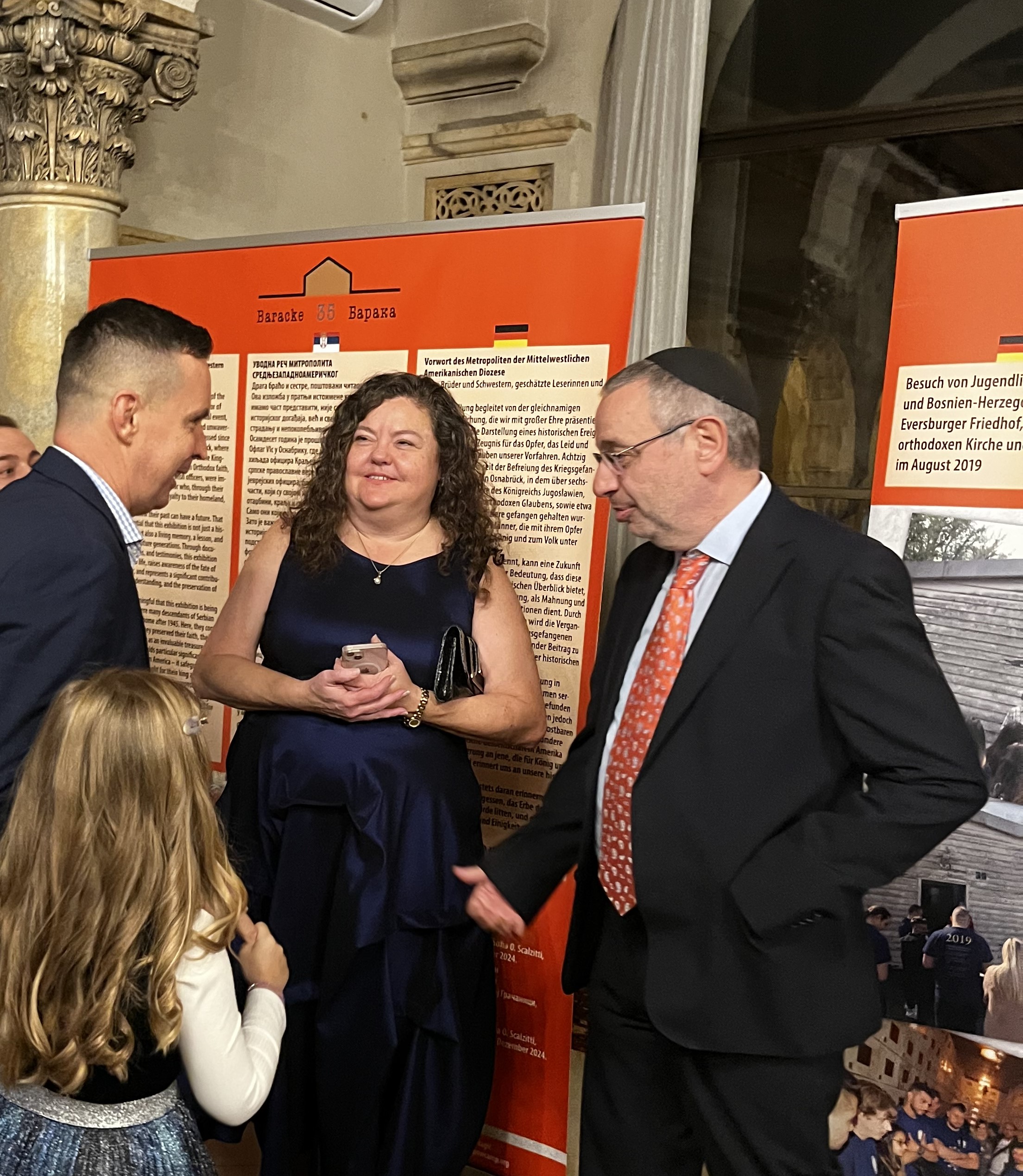
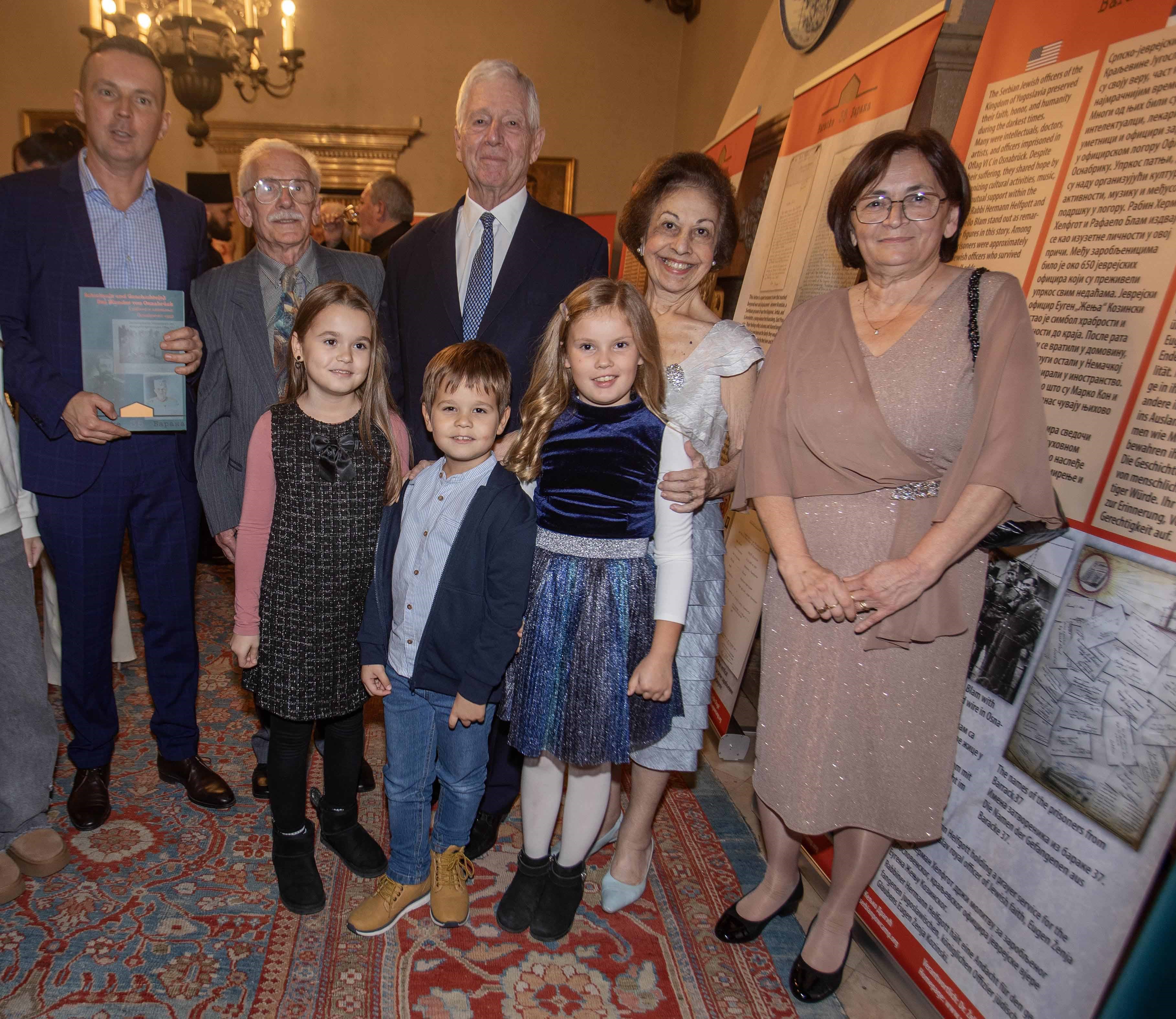
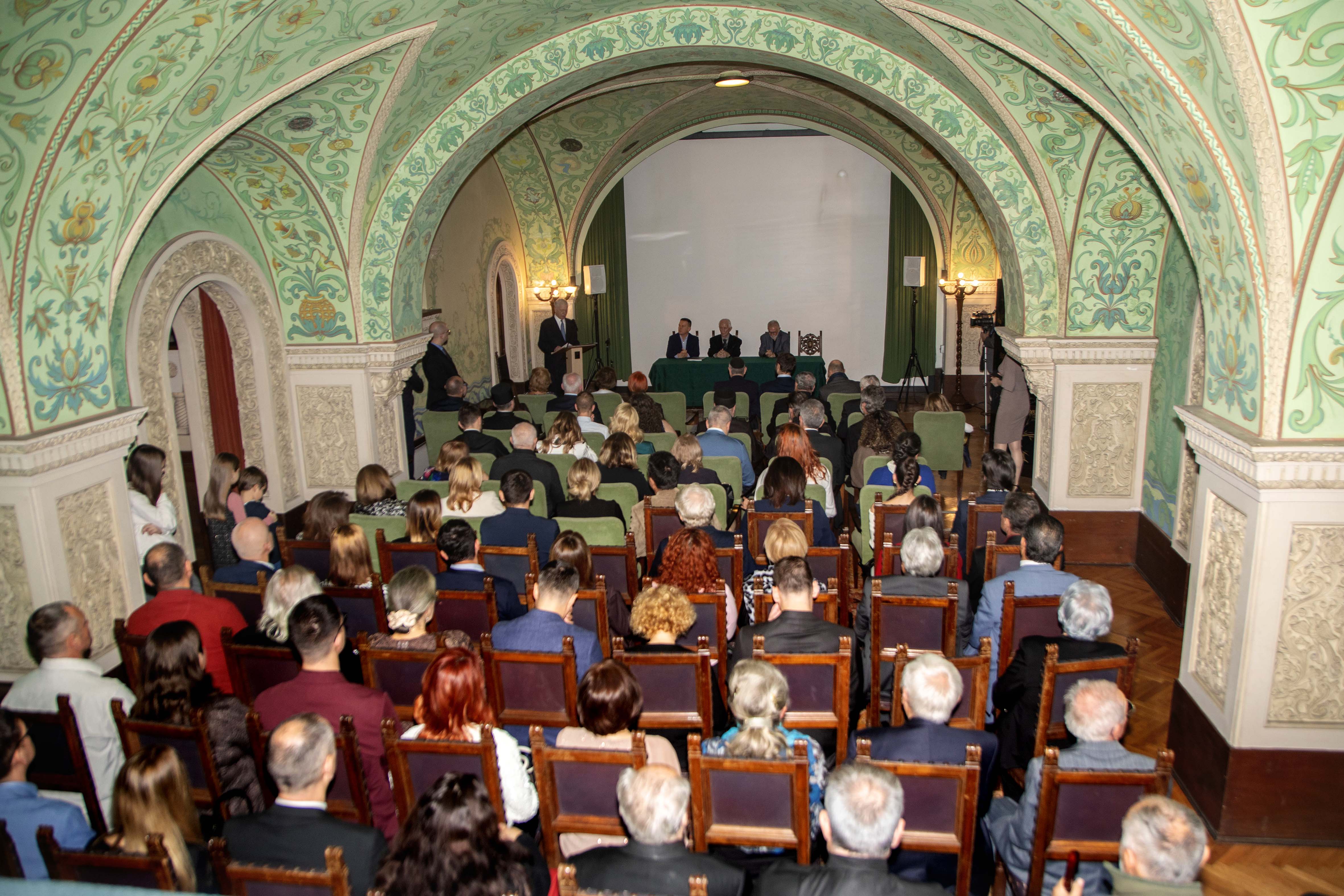
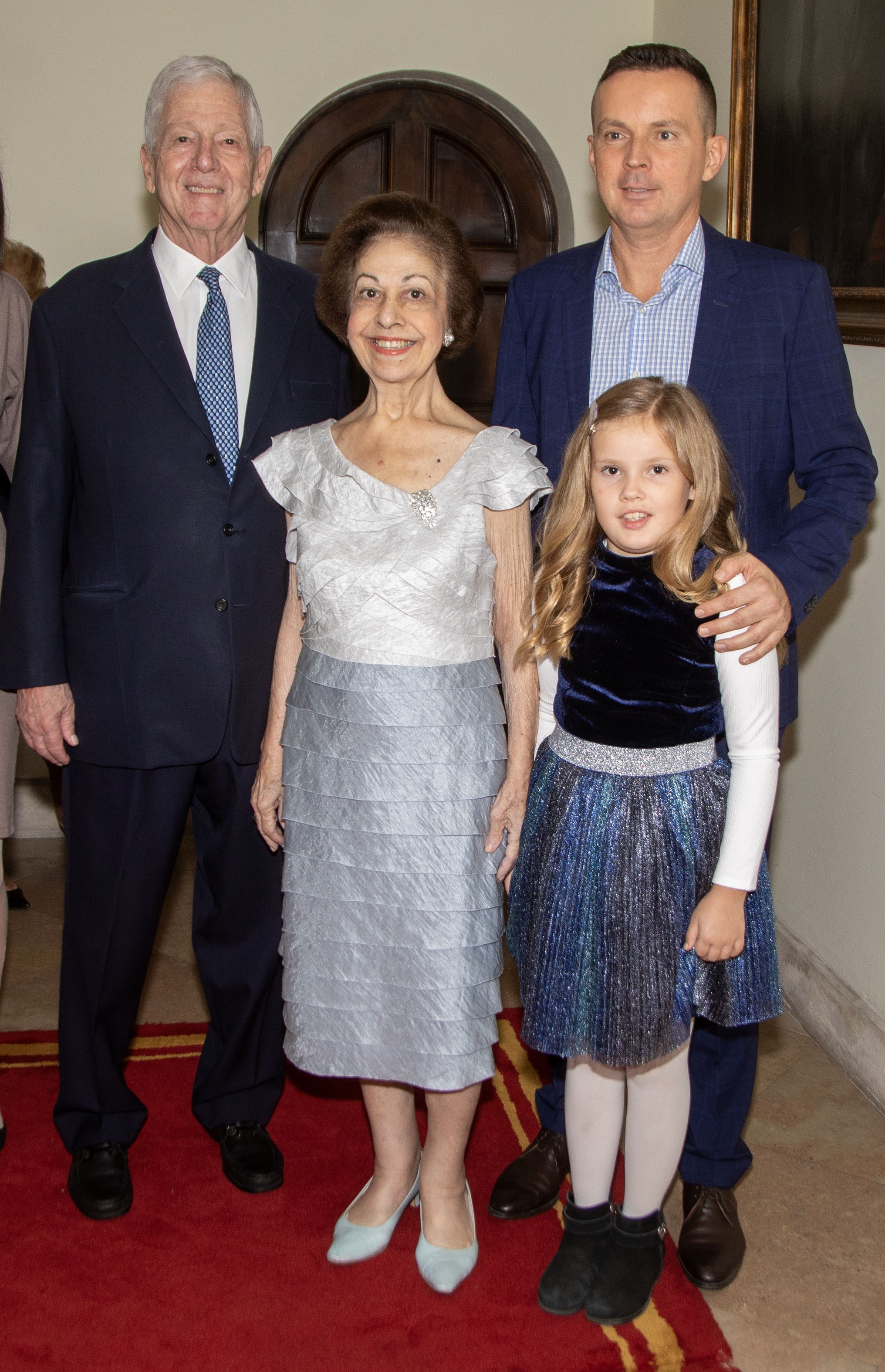
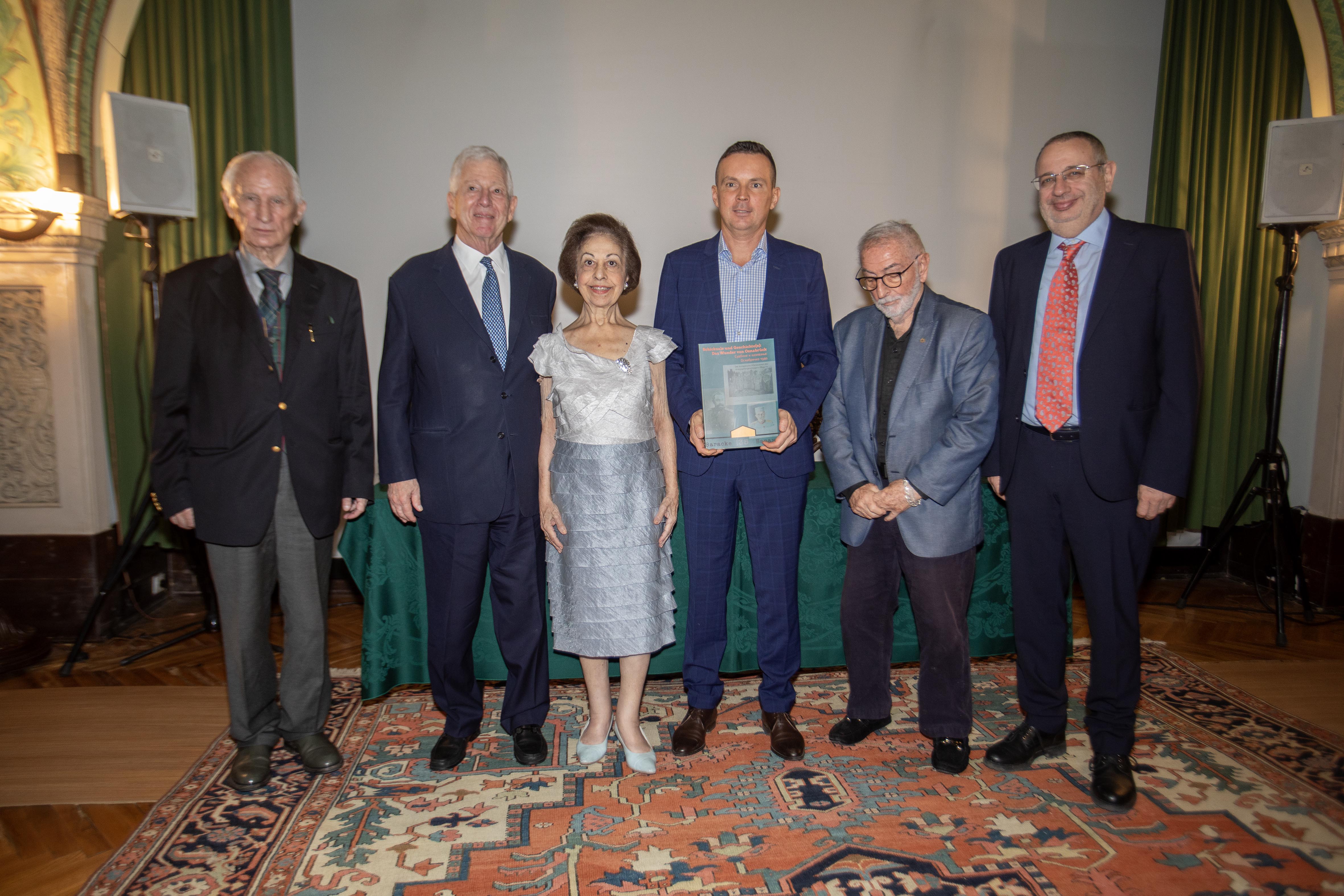
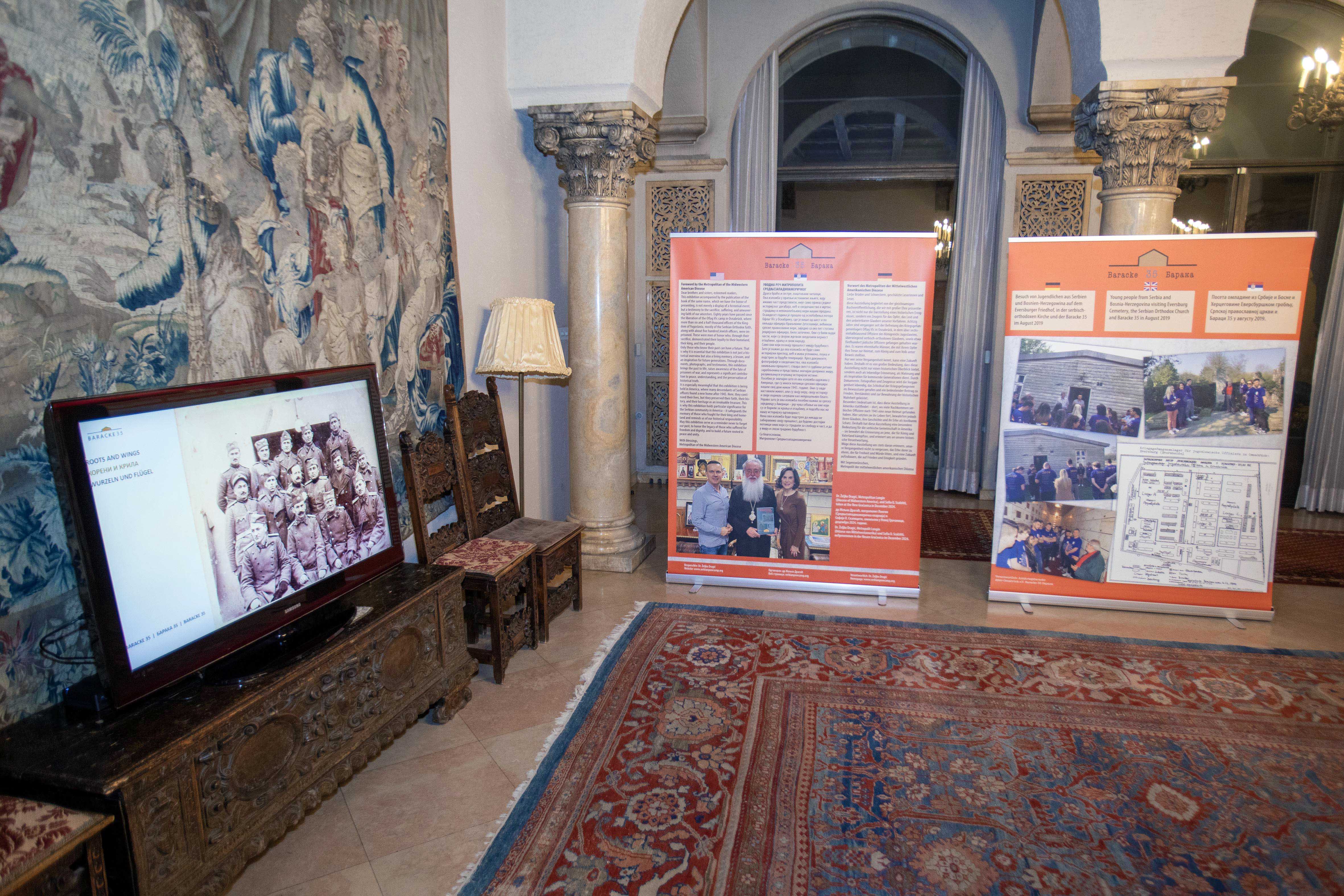
Belgrade, 3 December 2025 – Their Royal Highnesses Crown Prince Alexander and Princess Katherine hosted last night’s Evening of Remembrance, featuring a special commemorative program, and officially opened the exhibition titled “Roots and Wings,” dedicated to the 80th anniversary of the liberation of the prisoner-of-war camp in Osnabrück, Germany. The exhibition was created by Dr. Željko Dragić, a Serbian historian born in Hanover. According to available information, this is the first commemorative event in Serbia dedicated to the victims of this camp. The venue was chosen deliberately, in recognition of the Royal Family’s longstanding commitment to preserving the memory of this tragedy. “The reason for our gathering is important – to honor innocent victims and to remember the immense tragedy suffered by the Serbian people during the Second World War. Preserving the memory of the most tragic periods in human history and safeguarding the fate of our compatriots from being forgotten is a responsibility we all share. As difficult as it is to even think about those times, when people became beasts, this is a testimony that had to be told. Wise people have often said that we must remember history so that it does not repeat itself. That is why the culture of remembrance is so important for our nation and our country. The story of the Serbian prisoners of war in the Osnabrück camp is a reminder of soldiers loyal to their oath, to their homeland, and to their King, who bravely resisted Nazism and Fascism. To all who perished in captivity, and to those who were prevented from returning home after the war, we owe eternal remembrance,” Crown Prince Alexander said. Immediately after the outbreak of the Second World War and the capitulation of the Kingdom of Yugoslavia, around 6,500 high-ranking Yugoslav officers, along with smaller groups of NCOs and enlisted men – overwhelmingly Serbs – were deported to Osnabrück in northwestern Germany. They had boldly resisted a far stronger enemy during the April War. Among them were ministers, writers, and members of the pre-war Yugoslav elite. In harsh conditions they endured five years of captivity, including Allied bombings – most notably the one on 6 December 1944, which killed 116 officers and wounded the same number. Osnabrück was the largest camp of its kind in the Second World War. During the commemorative program, after the Crown Prince’s address, speakers included Aleksandar Nećak, whose father and uncle had been imprisoned in the camp; Archpriest-Stavrophor Marinko Rajak, parish priest in Osnabrück; and academician Matija Bećković, who delivered his address “A Word on Captivity.” Aleksandar Nećak shared memories of his father and uncle, and the actor Ljubivoje Tadić recited the final sermon of Osnabrück’s Evangelical pastor Friedrich Gisendorf. Matija Bećković highlighted the fact that the victims of this camp had been labeled traitors in communist Yugoslavia for decades, concluding with the words: “The royal army without graves has its only resting place in Osnabrück. Not in Serbia!” The evening featured musical performances by Anja Tabak from Ruma, who sang “This is Serbia,” and by the Belgrade Male Choir, led by Proto-Deacon Vladimir Rumenic, performing “Otadžbino moja mila” and “Dostojno jest.” At the end of the program, the exhibition’s author, historian Dr. Željko Dragić, spoke about the results of his research and the significance of the presented material. “This exhibition is our voice for those who were silent for decades. In Osnabrück, Serbs, Jews, Czechs, Slovenes, some Danube Germans and Croats, as well as many from present-day Montenegro, Bosnia and Herzegovina, Croatia, North Macedonia, and Slovenia suffered side by side – people with different names but the same honor. Their bond with the Karađorđević dynasty gave them strength then, and today that strength is carried by their descendants across the world. Our task is simple and difficult at the same time: to restore their place in history and in the heart of the nation. For a nation that forgets its martyrs has forgotten itself,” Dr. Dragić stated. In Osnabrück today stands the church dedicated to St. George, built between 1963 and 1966. Its first donor was HM King Peter II Karađorđević, who attended its consecration. Beneath the church lies a crypt where many of those killed in the area are interred. Over time, the camp was visited by King Peter II, by Saint Bishop Nikolaj Velimirović, and by Crown Prince Alexander. After the war, many of the former prisoners emigrated to England, the United States, Australia, South Africa, and New Zealand, or remained in Germany out of fear of communist repression should they return home. Among the attendees were, in addition to members of the Royal Family and program participants, the Chief Rabbi of Serbia, Isak Asiel, the Ambassadors of the Czech Republic Jan Bodi and of Germany Anke Konrad, representatives of the diplomatic corps, Betty Rumeliotis – sister of Princess Katherine – members of the Crown Council, representatives of state and cultural institutions, and numerous distinguished guests from Serbian public life. Although the Ambassador of Israel, Avivit Bar-Ilon, could not attend the event as she had traveled abroad, she met with Dr. Dragić earlier that day and expressed her support for his work, emphasizing that her grandfather, Jovan Fiser, had also been imprisoned in Osnabrück. Deeply moved, she pointed out his photograph in the exhibition book. The Ambassador of Slovenia, Dr. Slobodan Šešum, was likewise unable to attend but stated he would gladly assist in establishing contacts with Slovenian archives and institutions. The exhibition “Roots and Wings” will be open to visitors on working days until 11 December, from 11:00 to 14:00, with prior registration through the Office of HRH Crown Prince Alexander at +381 11 306 4000 or via email at kancelarija@dvor.rs. We conclude with the introductory words of Dr. Dragić from the exhibition brochure: “What we do, we do out of duty. A duty toward those who endured the Osnabrück camp, toward the Yugoslav royal officers who, together with comrades of different faiths and nationalities, preserved honor, faith, and identity under the harshest conditions. Our history is not only a collection of past events – it is an obligation and a covenant. Among the more than 6,500 imprisoned officers, most were of Serbian Orthodox faith, but there were also 648 Jewish officers, as well as Slovenes and members of other nations of the former Kingdom of Yugoslavia. Their solidarity, their belief in freedom, and their mutual respect form the foundation of this story. This year we mark 80 years since the liberation of Oflag VI C in Osnabrück. This is not merely an anniversary – it is a moment to bow before the brave, and to honor the future that has the right to know. Our work – through exhibitions, books, testimonies, and stories – is an act of collective remembrance, of respect, and of hope. We owe this to ourselves – to all of us who live today on the European continent, and to those across the ocean in the Serbian diaspora. We owe it to our ancestors, but even more to our children. For if we forget who we are and where we come from, we will forget where we are going. This is not only Serbian history. It is a European and global story of freedom, identity, and the resilience of the human spirit. And that is why today, through ‘Roots and Wings,’ we build bridges between past and future, between Osnabrück, Belgrade, Nikšić, Novi Sad, Chicago, and all the places where the Serbian heart and memory beat. For them. For us. For those who will come.”